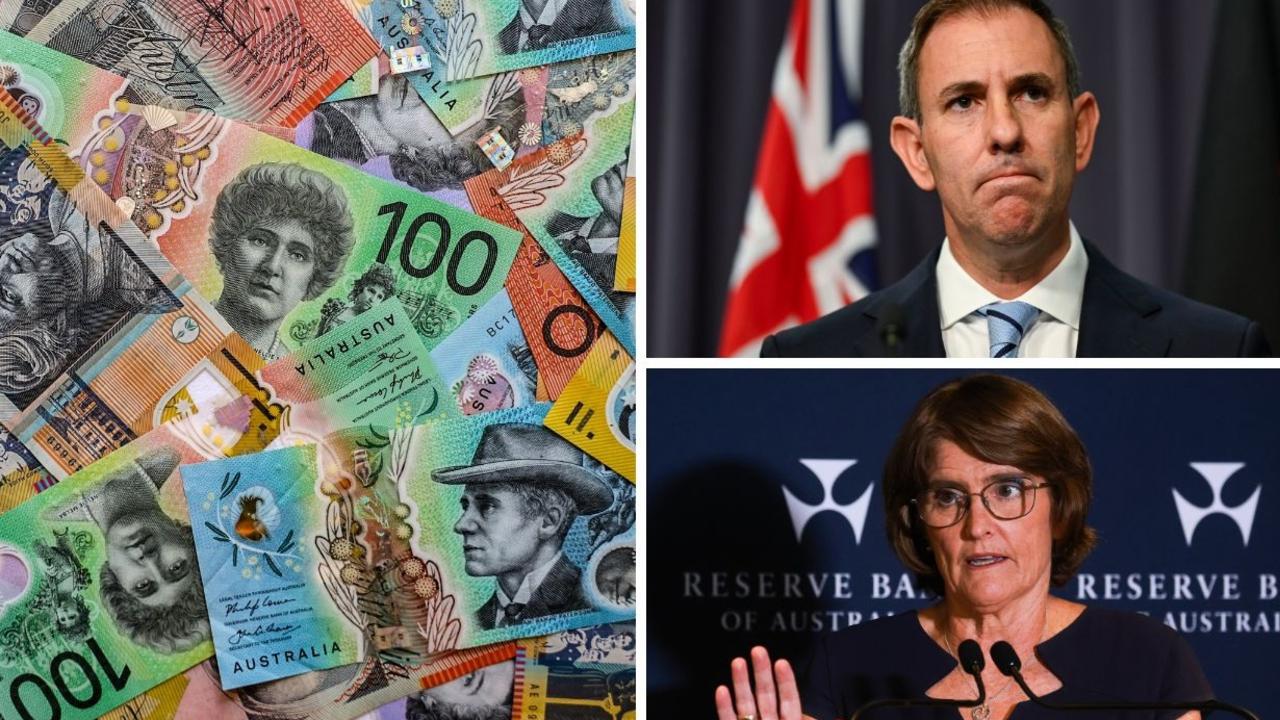
The Reserve Bank of Australia (RBA) has issued a sobering assessment of the nation’s economic outlook, cautioning that households are confronting increasingly difficult financial conditions. This warning stems from the compounding pressures of escalating global conflicts and domestic monetary policy adjustments.
In its March Financial Stability Review, the central bank highlighted how geopolitical tensions in the Middle East are creating tangible economic repercussions for Australian consumers. Assistant Governor Brad Jones acknowledged that while the financial system maintains “a good level of resilience,” rising cost pressures would inevitably strain certain borrowers.
The conflict’s most direct impact has manifested through energy markets, with oil prices surging dramatically from approximately $US56 per barrel to over $US110 since hostilities intensified between the US/Israel and Iran. This spike in energy costs threatens to dampen economic activity and amplify household expenditure.
Compounding these external pressures, the RBA expressed concerns about Australia’s domestic debt landscape. The expansion of the federal government’s 5 per cent home deposit scheme has precipitated an increase in high loan-to-valuation ratio mortgages, particularly among first-home buyers. While these buyers traditionally experience favorable labor market outcomes, the bank warned that highly leveraged households remain vulnerable to economic shocks that could trigger repayment difficulties.
The RBA noted that the scheme’s design includes government guarantees covering up to 15 per cent of property value in case of default, mitigating systemic risk to the banking sector. However, the central bank cautioned that increased housing demand might encourage additional borrowing beyond intended levels.
Despite these challenges, the RBA’s modeling indicates most Australian households retain sufficient financial resilience. Factors including stage three tax cuts, rising real disposable income per capita, and adapted mortgage management strategies have provided buffers against cost-of-living pressures. The bank’s analysis suggests that while back-to-back rate hikes and oil price surges since late February present challenges, they are unlikely to critically undermine most household budgets.
The central bank concluded that while individual borrowers may face difficulties, the majority maintain adequate income to cover essential expenses and scheduled mortgage repayments, preserving overall financial system stability.