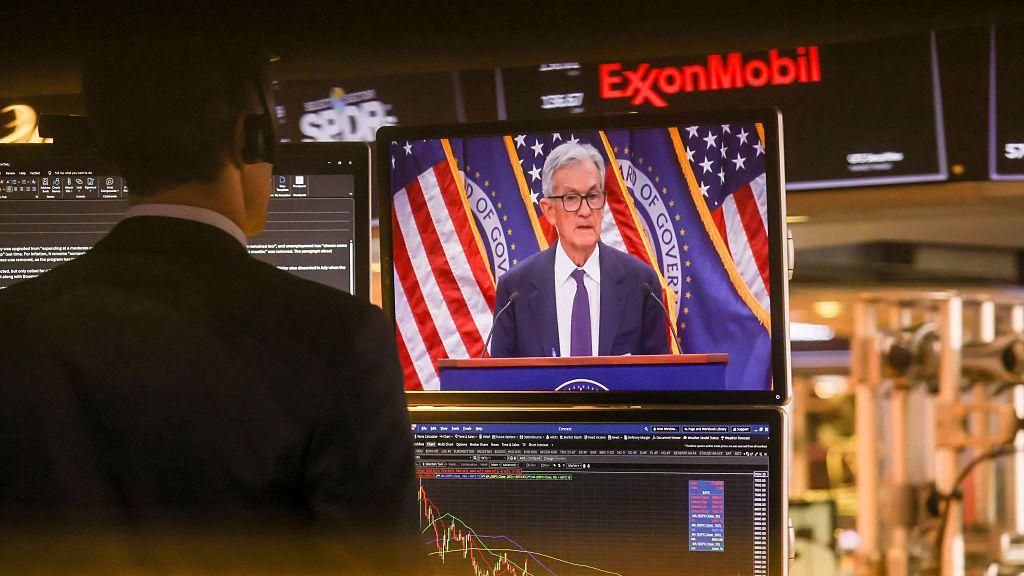
The United States Federal Reserve has unanimously decided to maintain current interest rates, marking another period of monetary policy stability as geopolitical tensions with Iran introduce significant economic complications. The central bank’s benchmark rate remains anchored at 3.5%-3.75%, unchanged since December, reflecting a cautious approach by policymakers navigating turbulent economic waters.
The recent military engagement between the US-Israel coalition and Iran has triggered a substantial surge in global oil prices, creating fresh concerns about inflationary pressures that had previously shown signs of moderation. This development has introduced unexpected challenges for monetary authorities who must now balance multiple economic indicators pointing in different directions.
Despite explicit pressure from the White House, where President Donald Trump has advocated for aggressive rate reductions to stimulate borrowing and economic activity, Federal Reserve officials have maintained their measured stance. The complexity of current economic conditions – characterized by persistent inflation concerns alongside ambiguous employment data – has reinforced the institution’s commitment to data-driven decision-making rather than political considerations.
Financial analysts now anticipate that the combination of energy market volatility and ongoing military conflict has substantially diminished the likelihood of near-term rate cuts. Market expectations have consequently shifted, with most economists projecting no policy easing until at least the final quarter of this year, representing a significant departure from earlier forecasts that suggested mid-year reductions.
The Federal Reserve’s decision-making process appears increasingly influenced by external factors beyond traditional domestic economic metrics, underscoring how global geopolitical events can directly impact monetary policy trajectories in the world’s largest economy.