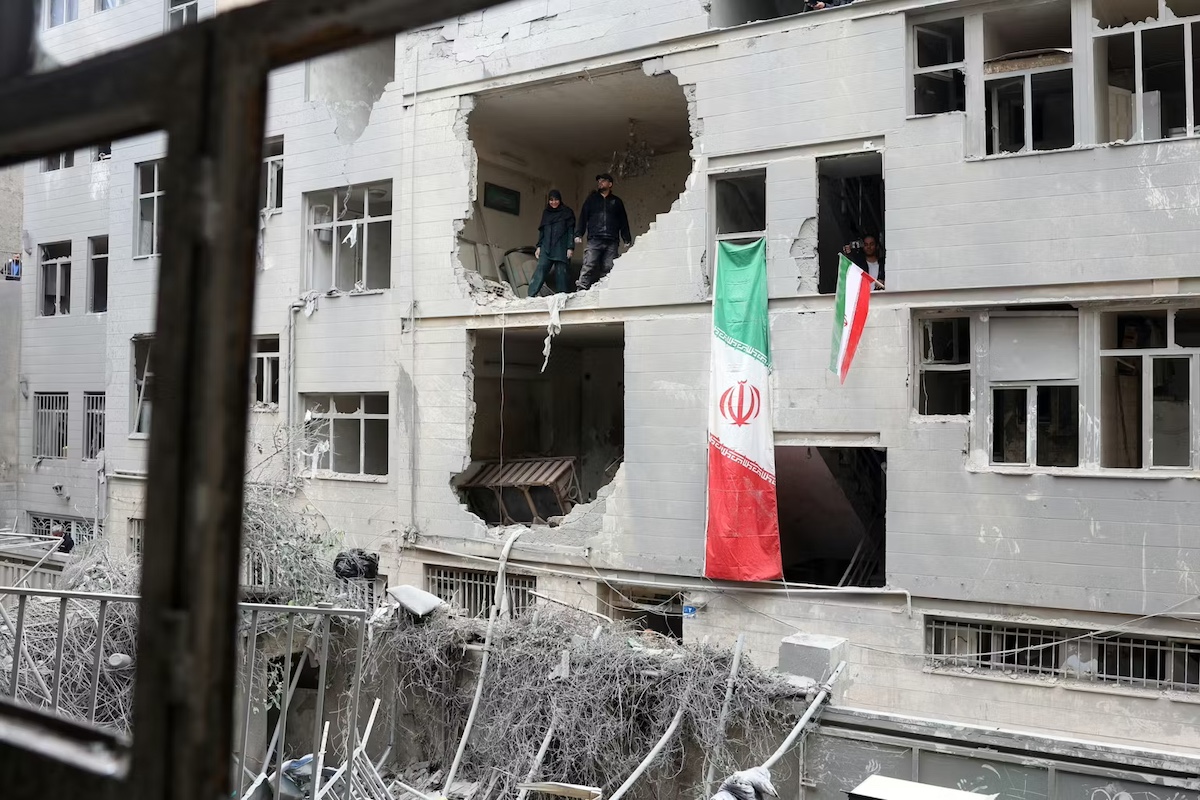
The Middle Eastern military confrontation enters its third week with escalating intensity as Iran demonstrates unexpected resilience against combined US-Israeli operations. The conflict, initiated on February 28 as a voluntary military engagement by Washington and Jerusalem, has evolved into a protracted struggle with no clear resolution in sight.
Tehran’s Islamic regime is engaged in a battle for survival while simultaneously executing a strategy of asymmetric warfare designed to inflict maximum regional and global economic disruption. Despite inferior conventional military capabilities compared to the US-Israeli alliance, Iranian forces have maintained operational continuity and institutional stability, rapidly appointing Mojtaba Khamenei as successor to the slain supreme leader.
The American position, characterized by contradictory objectives and unclear strategic goals, contrasts sharply with Israel’s explicitly stated ambition to dismantle both the Iranian regime and diminish Iranian state sovereignty. Prime Minister Netanyahu has further articulated expansionist territorial ambitions based on biblical references to ‘greater Israel,’ receiving unexpected endorsement from US Ambassador Mike Huckabee.
Military analysts observe that the conflict has entered a critical phase where missile and interceptor inventories may determine the eventual outcome. Meanwhile, Iran continues to leverage regional proxy networks and economic pressure tactics, attempting to transform the bilateral confrontation into a broader regional crisis that might compel Gulf Arab states to intervene diplomatically.
The humanitarian consequences continue to mount, with Iranian and Lebanese civilian populations bearing disproportionate casualties. The conflict has already triggered global energy market disruptions through attacks on critical infrastructure including Kharg Island’s oil export facilities, though Trump administration officials maintain these economic impacts remain temporary.
As the war progresses without clear exit strategies, international observers anticipate either material exhaustion or political declaration of victory as potential conclusion scenarios, though neither outcome promises regional stability in the polarized post-conflict landscape.