Multiple Asian economies are preparing for significant trade disruptions following the United States’ initiation of extensive Section 301 investigations, which could result in substantial tariffs on critical export sectors. This development comes in the wake of a landmark US Supreme Court decision on February 20 that declared “reciprocal tariffs” unlawful under current trade legislation.
The investigations leverage Section 301 of the US Trade Act of 1974, which empowers the Office of the US Trade Representative (USTR) to examine allegedly unfair foreign trade practices. Upon identifying violations, the US government can implement tariffs or other trade restrictions to compel policy changes from trading partners.
Malaysian Investment, Trade and Industry Minister Johari Ghani identified several vulnerable sectors including electrical and electronics, oil and gas, and plantation commodities such as palm oil. He emphasized that the Supreme Court ruling necessitates specific justification for tariffs rather than blanket impositions, stating that “if they claim it is due to trade surplus, they must specify the industry involved.”
The USTR has launched two major investigations targeting 16 trading partners—including China, the European Union, Norway, Singapore, Cambodia, Indonesia, Malaysia, Bangladesh, Mexico, Japan and India—alleging structural excess capacity in manufacturing. A subsequent probe targets 60 economies over forced labor allegations.
Singapore’s Ministry of Trade and Industry has challenged the factual basis of the investigations, noting significant discrepancies in trade data. While the USTR cited a $27 billion bilateral trade surplus for Singapore in 2024, official data from the US Bureau of Economic Analysis indicates Singapore actually maintained a trade deficit of approximately $27 billion with the United States.
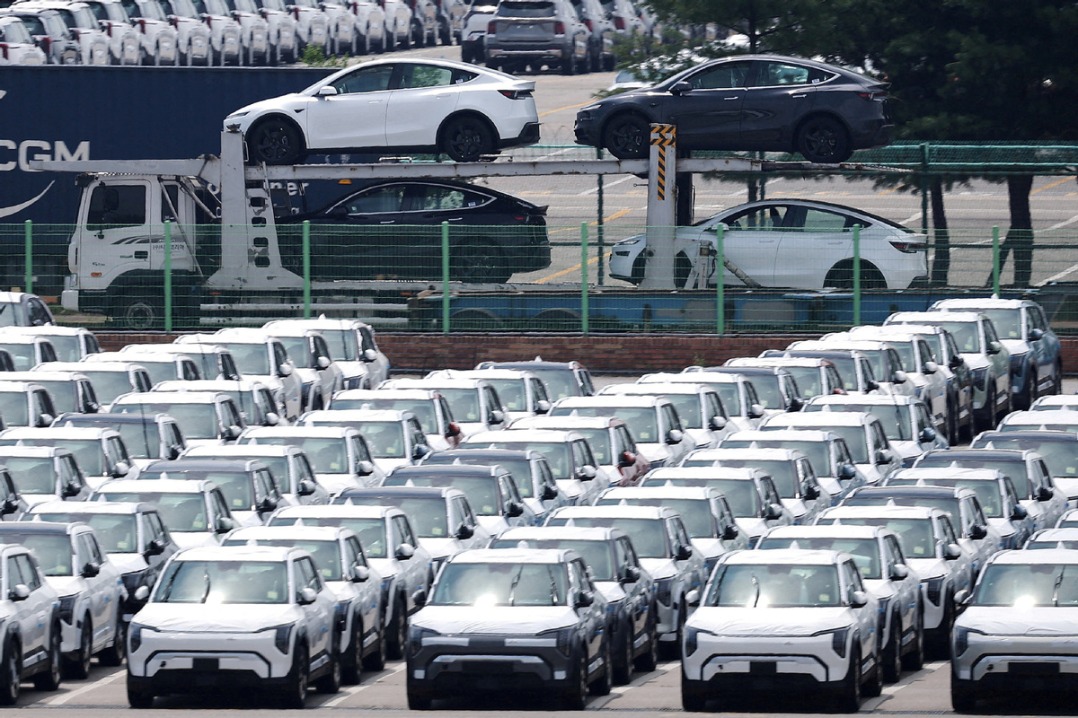
The investigations have drawn strong criticism across Asia. South Korea’s minor progressive Jinbo Party spokeswoman Son Sol condemned “the US’ unilateral act of aggression that shatters international trade order,” noting that the probes target key Korean sectors including automotive and semiconductor industries.
Analysts from Singapore’s DBS Bank characterize the Section 301 moves as a “plan B” for the US administration following the Supreme Court’s rejection of reciprocal tariffs. The bank notes this approach aims to establish a more durable legal foundation for tariffs ahead of the July expiration of temporary global tariff measures.
For smaller economies like Cambodia, where nearly 40% of exports destination is the US, the investigations highlight the urgent need for more resilient export strategies. Arnaud Darc, chairman of hospitality company Thalias, observed that “small economies rarely get to choose the moment their structural assumptions are tested.”
In response to the trade pressure, South Korea’s National Assembly recently passed special legislation enabling $350 billion in US investments, fulfilling a commitment made previously in exchange for reduced tariffs. Trade Minister Yeo Han-koo emphasized that fulfilling investment promises represents the most effective approach to stabilizing tariff conditions.