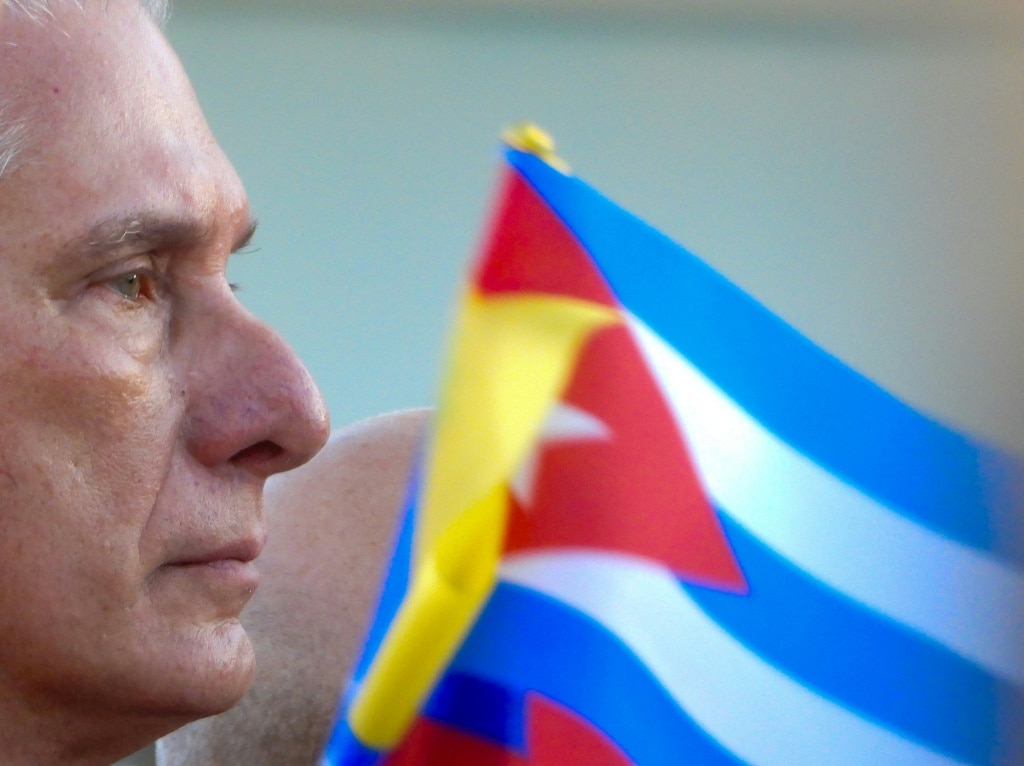
The United States has escalated its diplomatic offensive against Cuba’s communist government as the Caribbean nation grapples with a severe electricity crisis that has plunged much of the island into darkness. Washington is demanding comprehensive free-market reforms from Havana, dismissing recent limited economic concessions as insufficient to address Cuba’s deepening economic woes.
Secretary of State Marco Rubio, a prominent Cuban-American critic of the regime, stated that Cuba’s recent announcement permitting exile investment and business ownership falls dramatically short of necessary changes. “What they announced yesterday is not dramatic enough. It’s not going to fix it,” Rubio told White House reporters, emphasizing that Cuban authorities face “big decisions” regarding economic liberalization.
The Trump administration has intensified pressure through multiple channels, including enforcing an effective oil blockade that has crippled Cuba’s energy sector and transportation infrastructure. Since January 9, no oil shipments have reached Cuban shores, exacerbating power generation problems and forcing airlines to reduce flights to the island—a devastating blow to Cuba’s vital tourism industry.
President Trump himself added to the tension with provocative statements, suggesting he would “take” Cuba and asserting he could “do anything I want with it” given the nation’s weakened state. These comments came as Cuba experienced a complete nationwide power failure on Monday, highlighting the precarious state of its aging electrical grid, where daily outages lasting up to 20 hours have become routine in some regions.
Cuba’s diplomatic representative in Washington, Tanieris Dieguez, offered a measured response, indicating openness to broad discussions with the United States while firmly rejecting any negotiation about Cuba’s political system. “Nothing related with our political system, nothing with our political model—our constitutional model—is part of the negotiations, and never will it be part of that,” Dieguez stated, emphasizing that Cuba only requests “respect to our sovereignty and to our right to self-determination.”
The economic pressure has intensified significantly since January, when Cuba lost Venezuela as its chief regional ally and oil supplier following US-backed efforts to oust socialist leader Nicolas Maduro. This development, combined with the ongoing embargo, has created what experts describe as one of Cuba’s most severe economic crises in decades.
Ordinary Cubans bear the brunt of these challenges. Olga Suarez, a 64-year-old retiree, expressed the widespread anxiety: “What we fear all the time is that the blackout will drag on and we will lose the little bit that we have in the fridge, because everything is so expensive.”
As power was gradually restored to approximately two-thirds of the country by Tuesday morning—including 45% of the capital Havana—the nation also experienced a 5.8-magnitude earthquake off its coast, though no casualties or damage were immediately reported. The compound crises underscore the extreme pressures facing the Cuban government as it navigates both domestic infrastructure failures and unprecedented external political pressure from its northern neighbor.