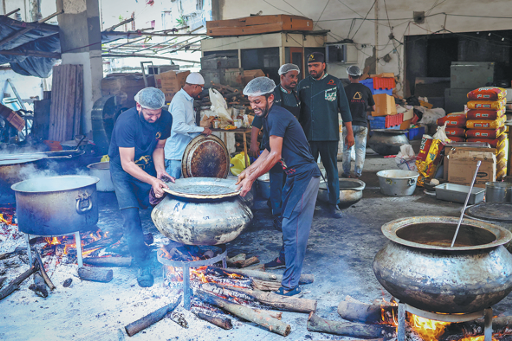
India’s culinary landscape faces unprecedented challenges as commercial liquefied petroleum gas (LPG) shortages, triggered by escalating Middle East tensions, force widespread operational changes across the hospitality sector. The crisis has particularly impacted urban centers including Kolkata, Mumbai, and Delhi, where restaurateurs are implementing emergency measures to maintain operations.
In Kolkata, restaurant owner Chhanda Chakraborty has transitioned from traditional LPG stoves to induction cooktops and coal-fired tandoors. “Several establishments have eliminated tea and dosa from their menus, opting instead for rice-lentils, sandwiches, and cold beverages,” Chakraborty noted, highlighting how eateries are streamlining offerings to conserve limited fuel resources.
The supply chain disruption stems from India’s significant dependence on imported LPG, with approximately 62% of the nation’s 31.3 million metric tons annual consumption sourced externally. Critical shipping routes through the Strait of Hormuz, which handles 85-90% of Persian Gulf imports, have experienced severe disruptions due to ongoing US-Israeli conflicts with Iran.
Professor Swaran Singh of Jawaharlal Nehru University explains: “The hospitality industry’s heavy reliance on LPG coincides with usage by power plants, fertilizer facilities, and urban gas networks. Current tensions have created substantial delays, supply interruptions, and price escalations in LPG imports.”
Industry associations in major metropolitan areas report suspension rates reaching 20% of food establishments in Mumbai and Kolkata. Many smaller operations, particularly roadside vendors serving millions daily, face imminent closure without immediate supply restoration.
Government response includes multi-faceted strategies: prioritizing household LPG allocation, negotiating safe passage for Indian-flagged vessels through conflict zones, and directing oil refineries to maximize LPG production. However, economists like Abhirup Sarkar warn that prolonged disruption could establish a “new normal” with significant economic ramifications across multiple sectors.
While Iran permits limited Indian shipments on case-by-case approvals, industry experts anticipate no rapid resolution until regional conflicts subside, leaving India’s food service industry navigating uncertain operational terrain.