The potential mining of the Strait of Hormuz by Iran presents catastrophic implications for global economic stability, with particular severity for US agricultural sectors dependent on diesel and fertilizer imports. This strategic waterway, through which approximately 21 million barrels of oil transit daily, represents a critical chokepoint for energy markets worldwide.
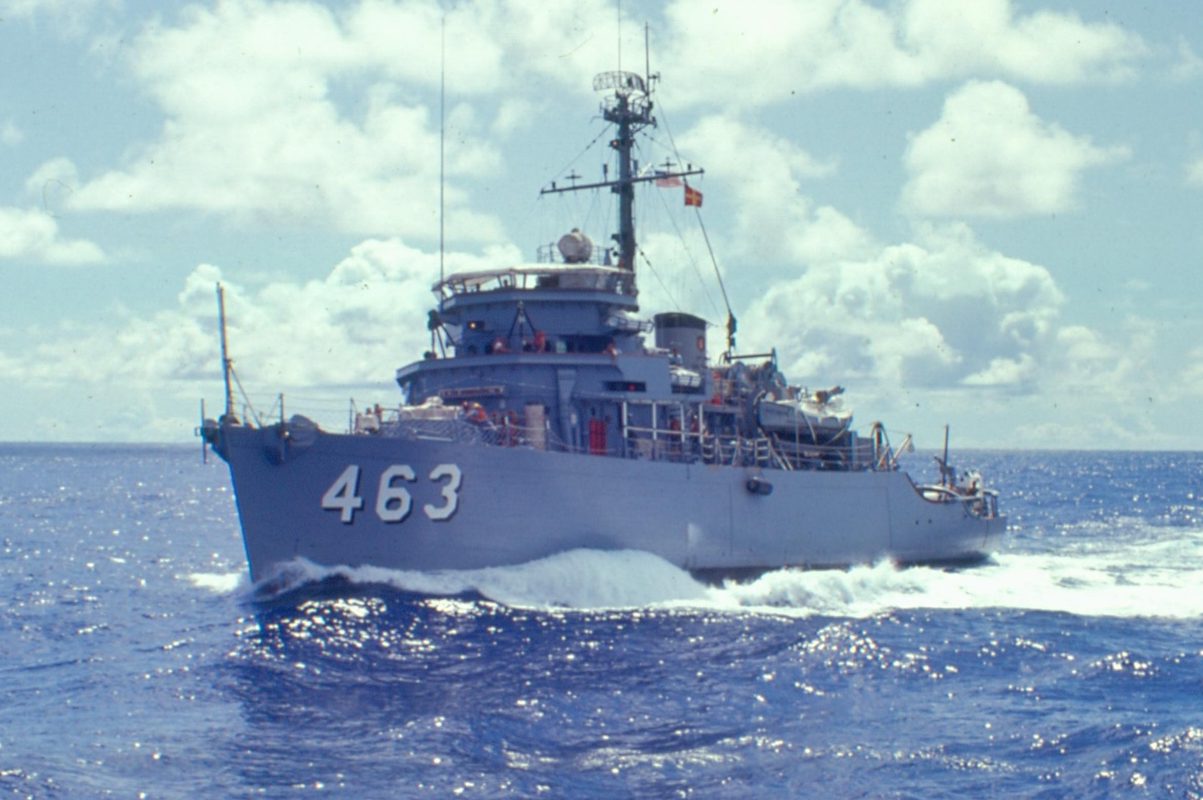
Drawing from personal experience as a former US Navy minesweeping officer, the author reflects on the evolution of naval mine countermeasures since the Vietnam War era. Historical precedent demonstrates that traditional minesweeping operations involving manned vessels have been largely phased out in favor of advanced technologies including helicopter-towed systems and unmanned underwater drones equipped with sophisticated sonar capabilities.
Current intelligence assessments indicate Iran’s Islamic Revolutionary Guard Corps has spent decades preparing for potential strait closure operations, amassing an estimated 5,000 sea mines and hundreds of miniature submarines and small craft capable of mine deployment. The complexity of clearance operations is compounded by Iran’s complementary capabilities in drone warfare and potentially advanced anti-ship missiles supplied by international partners.
Rather than engaging in perilous post-deployment clearance operations, US strategy appears focused on preventive measures targeting mine-laying vessels before deployment. However, the most definitive solution—occupation of adjacent shoreline territories—would require substantial ground force deployment and risk significant escalation.
Notably, Iran continues to export its own oil through the strait despite hostilities, suggesting maintained safe channels that could theoretically be utilized by international shipping. However, such passage would render vessels vulnerable to coordinated attacks from Iranian drone and missile systems.
The strategic impasse grants Iran substantial leverage in regional negotiations while complicating US military options. Resolution may ultimately necessitate escalated military engagement despite domestic political constraints, as the economic consequences of prolonged strait closure would prove unsustainable for global markets.