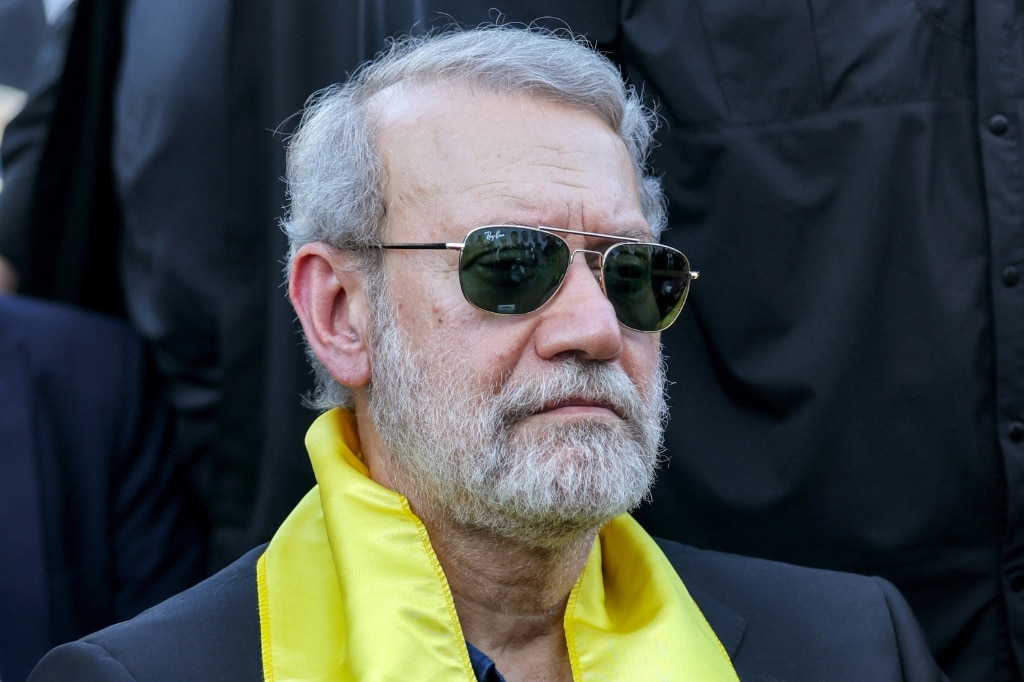
In a dramatic escalation of Middle East hostilities, Israel has declared the successful targeting and elimination of Ali Larijani, Iran’s powerful National Security Chief and a pivotal figure within the Islamic Republic’s power structure. Prime Minister Benjamin Netanyahu, in a televised address on Tuesday, characterized Larijani as the leader of “the gang of gangsters” operating Iran’s Revolutionary Guards.
The reported assassination, which Tehran has yet to independently confirm, represents a potentially catastrophic blow to Iran’s leadership apparatus. This event occurs against the backdrop of a regional war ignited by the U.S.-Israeli strike that killed Supreme Leader Ayatollah Ali Khamenei on February 28, 2026—a conflict now radiating severe global economic and geopolitical repercussions.
Larijani, 68, was widely regarded as a cornerstone of Iran’s strategic operations, overseeing nuclear policy and international diplomacy for decades. His death follows the brutal suppression of a widespread popular uprising against the regime, during which human rights groups documented thousands of civilian casualties.
Concurrently, Israel announced the elimination of Gholamreza Soleimani, commander of the Basij paramilitary force, and targeted Akram al-Ajouri, leader of Palestinian Islamic Jihad’s military wing, underscoring its intensified ‘decapitation’ strategy against enemy leadership.
The regional violence has triggered massive displacement and infrastructure collapse. Lebanon reports over 886 fatalities and one million displaced persons since March 2, with IDF ground operations now extending into northern territories. Humanitarian crises are deepening, with overwhelmed aid organizations in cities like Sidon unable to accommodate fleeing civilians.
Global energy markets have been thrown into turmoil as Iran retaliates against U.S. interests and regional energy infrastructure. The strategic Strait of Hormuz—a conduit for 20% of global oil shipments—has become functionally impassable due to Iranian threats and attacks on commercial tankers, causing oil prices to surge approximately 3% following geopolitical uncertainties.
U.S. President Donald Trump’s appeals for NATO and allied nations to secure the vital waterway have met with resistance. Key European leaders, including British PM Keir Starmer and German Chancellor Friedrich Merz, have explicitly rejected military involvement, emphasizing the conflict falls outside NATO’s purview and advocating for diplomatic solutions instead.