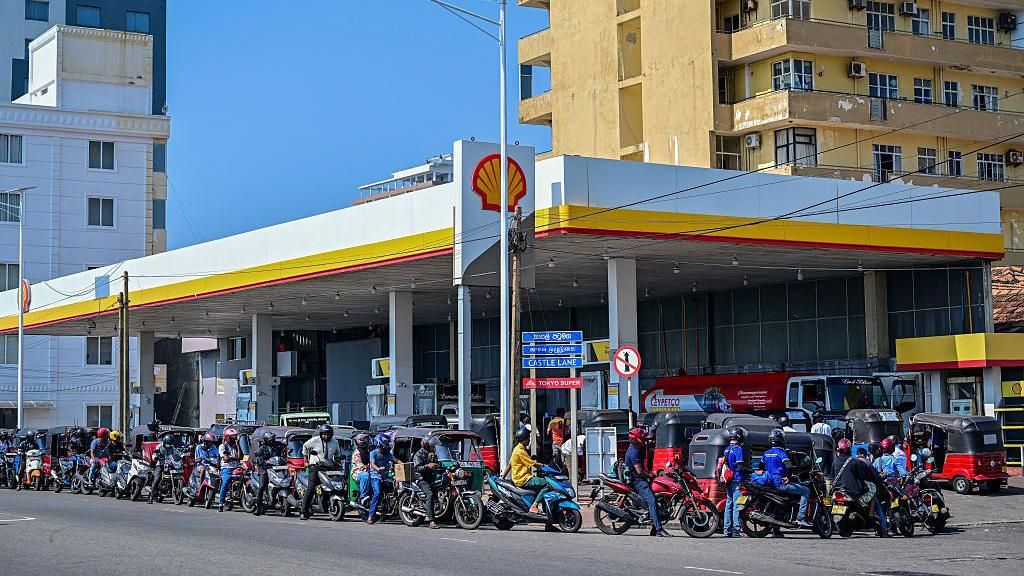
Sri Lanka has instituted a mandatory four-day work week, designating every Wednesday as a public holiday in a drastic effort to conserve fuel reserves. This emergency measure comes as the island nation faces severe shortages following the escalation of military conflict between the US-Israel alliance and Iran, which has disrupted critical oil shipments through the Strait of Hormuz.
President Anura Kumara Dissanayake emphasized the gravity of the situation, stating, “We must prepare for the worst, but hope for the best” during emergency deliberations with government officials. The Wednesday closure was strategically selected to prevent three consecutive non-working days while maximizing fuel conservation.
The energy crisis has triggered a chain reaction of austerity measures across Asia, the world’s largest oil-importing region that received nearly 90% of the strait’s oil and gas shipments last year. Thailand has launched campaigns promoting short-sleeved attire to reduce air conditioning dependency, while Myanmar has implemented alternate-day driving restrictions based on license plate numbers. Bangladesh has rescheduled academic calendars and introduced nationwide planned blackouts, and the Philippines has mandated work-from-home arrangements while banning non-essential public sector travel.
Sri Lanka’s measures extend beyond the four-day week, reintroducing a National Fuel Pass system that rations purchases to 15 liters for private vehicles and 5 liters for motorcycles. This system previously helped navigate the country’s devastating 2022 economic crisis when foreign reserves depleted completely. Current oil prices have surged to approximately $100 per barrel since hostilities began in the Gulf, compounding existing economic pressures.
The government has exempted essential services including healthcare and immigration from the shortened work week, though educational institutions will adhere to the new schedule. Despite these efforts, public dissatisfaction simmers over what many citizens perceive as inadequate fuel allocations amid the growing crisis.