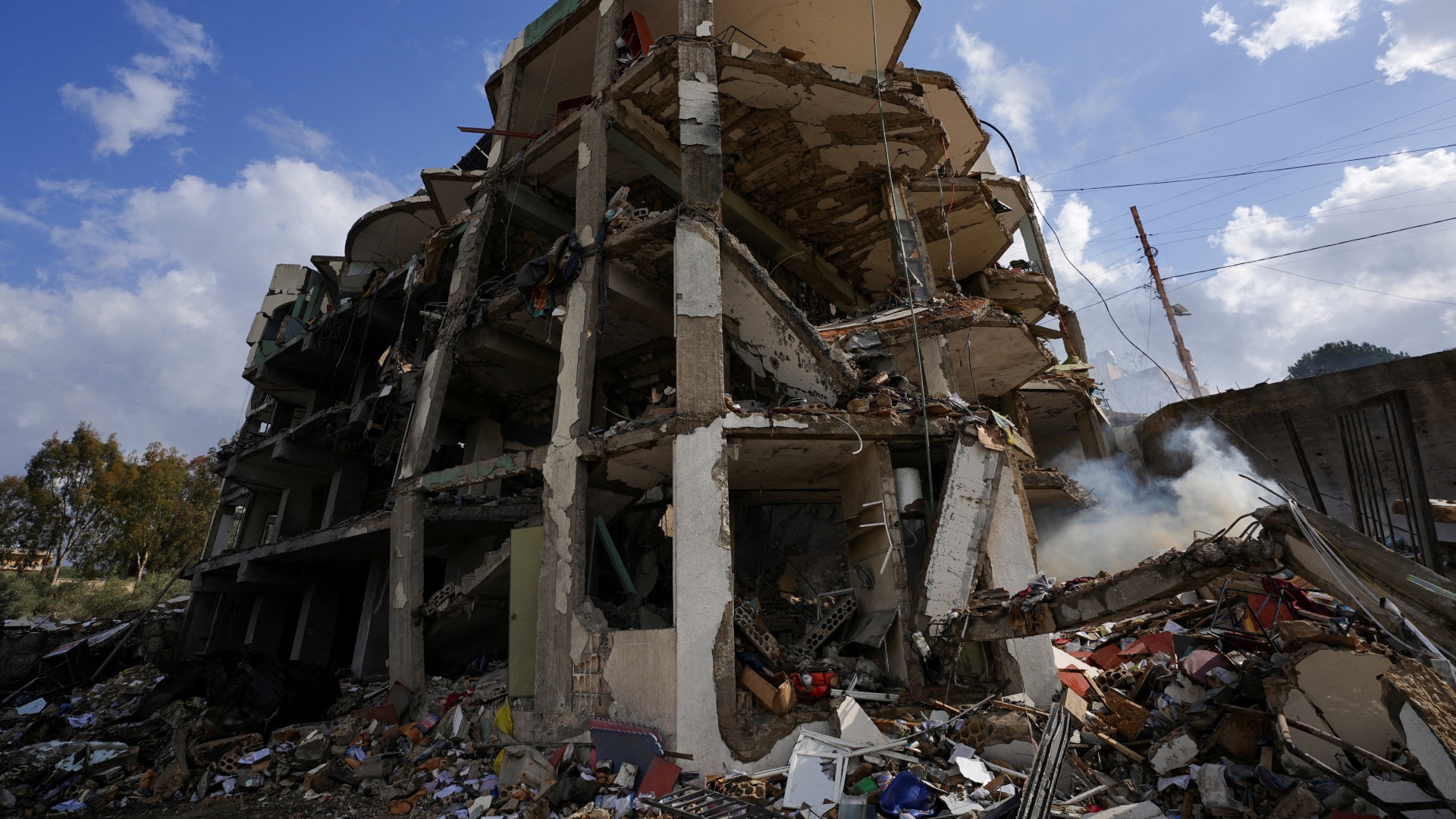
In a significant diplomatic move, the heads of state from Canada, France, Germany, Italy, and the United Kingdom have jointly called for Israel to refrain from launching a comprehensive ground invasion into Lebanese territory. This collective appeal comes amid escalating hostilities that resumed in southern Lebanon two weeks prior.
The five-nation coalition expressed profound alarm regarding the cross-border attacks, emphasizing the critical need for all involved parties to return to diplomatic negotiations. They articulated grave concerns about the potential humanitarian fallout, stating that a major Israeli ground operation would likely precipitate catastrophic human suffering and potentially ignite a prolonged regional conflict.
Official statistics from Lebanon’s disaster management authority reveal the conflict has already displaced approximately one million people within the country. The human cost stands at 886 fatalities and 2,141 injuries among Lebanese citizens.
The current cycle of violence began when Hezbollah initiated missile strikes against Israel following Israel’s joint military engagement with the United States against Iranian interests on February 28. Although a truce negotiated by the Trump administration in November 2024 had previously governed the border area, this agreement had reportedly been violated hundreds of times prior to the recent escalation.
Israeli officials maintain their operations specifically target Hezbollah weapon storage facilities and high-ranking operatives deemed imminent threats. However, the Western leaders’ statement unequivocally condemned all attacks directed at civilian populations, essential infrastructure, medical personnel, and UN peacekeeping forces in Lebanon.
The joint declaration specifically called for Hezbollah to cease its attacks on Israel and complete disarmament, while simultaneously urging the Lebanese government to enforce weapons prohibitions against the group. Hezbollah leadership has consistently rejected disarmament demands, citing ongoing security threats from Israel along their shared border. The militia organization, with decades of Iranian support, remains a deeply entrenched military force within Lebanon’s political landscape.