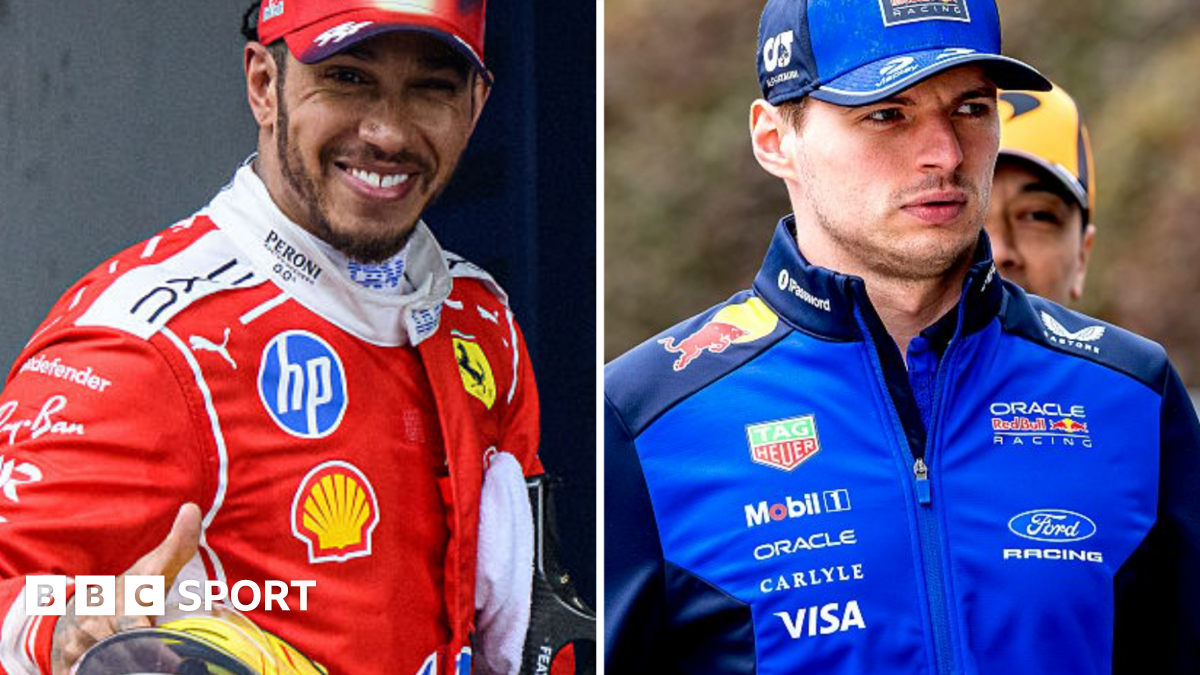
The 2026 Formula 1 regulatory overhaul has ignited a profound philosophical divide within the sport, starkly highlighted by polarized driver reactions following the Chinese Grand Prix. The new hybrid power units—featuring a 50-50 split between internal combustion and electrical energy—have fundamentally altered racing dynamics, creating both exhilarating wheel-to-wheel action and significant technical frustrations.
Lewis Hamilton, celebrating his first Ferrari podium, described his intense duel with teammate Charles Leclerc as ‘the best racing I’ve ever experienced in F1,’ praising the respectful, go-kart-like battling. Conversely, Red Bull’s Max Verstappen—who retired due to energy recovery system failure—dismissed the new format as ‘terrible’ and akin to ‘Mario Kart,’ arguing it undermines genuine racing purity. Fernando Alonso, recalling Honda’s past power deficits, wryly termed it ‘the battery world championship.’
Technically, the regulations introduce ‘boost’ modes that provide temporary electrical overtaking assistance but subsequently leave drivers energy-deficient and vulnerable to counter-attacks. This has created dramatic position-swapping sequences, as seen between the Ferraris and the dominant Mercedes of rookie winner Kimi Antonelli and George Russell. However, these changes come at a cost: drivers now must prioritize energy management over pure cornering skill, with iconic challenges like Suzuka’s Esses and Spa’s Pouhon no longer taken at the grip limit due to energy harvesting requirements.
Team principals remain divided. Mercedes’ Toto Wolff emphasized fan engagement and entertainment value, citing social media positivity and increased overtaking. McLaren’s Andrea Stella acknowledged ‘counterintuitive’ driving techniques, where mistakes might inadvertently improve sector times through energy conservation. With cancelled races in Bahrain and Saudi Arabia, F1 executives now have additional time to evaluate potential adjustments, including revising energy recovery limits, while grappling with the core question: should Formula 1 prioritize entertainment or preserve its traditional driving purity?