Amid escalating military operations against Iran, the Trump administration continues its assertive rhetoric claiming devastating impacts on Iranian capabilities. Defense Secretary Pete Hegseth described March 10 as witnessing the “most intense” day of strikes, while President Trump asserted the conflict would conclude rapidly due to diminishing targets.
The White House frames this campaign as systematically dismantling Iran’s capacity to threaten American interests and global security. While previous strikes focused primarily on military and nuclear installations, recent operations have expanded to include critical civilian infrastructure. Israeli forces targeted two oil refineries and storage facilities near Tehran on March 8, with Iran additionally accusing the US of attacking a desalination plant.
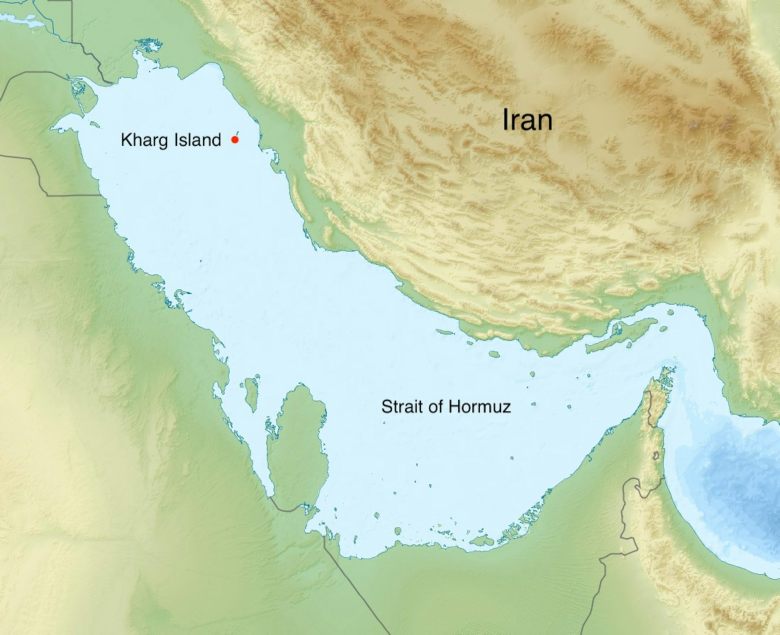
However, Kharg Island—Iran’s paramount oil export terminal handling approximately 90% of crude exports—remained conspicuously untouched until limited strikes on Friday. Notably, Trump emphasized through Truth Social that the operation exclusively targeted military assets on the island, specifically avoiding damage to oil infrastructure.
US Central Command corroborated this approach, stating their precision strike destroyed naval mine storage facilities, missile bunkers, and over 90 military targets while deliberately preserving oil operations.
Kharg’s strategic significance cannot be overstated. This coral island processes millions of barrels daily through subsea pipelines from Iranian oil fields, predominantly supplying China. The terminal generates tens of billions in annual government revenue, making it irreplaceable to Iran’s economy.
Unlike other major oil producers that diversify export capabilities, Iran concentrates virtually all export capacity at this single location. Historical factors including post-revolution self-reliance policies and geographical advantages (deep-water access for supertankers) cemented Kharg’s dominance since its modern development began in 1958.
Paradoxically, the very vulnerability that makes Kharg an obvious target also protects it. Comprehensive destruction would cripple Iran’s economy for years, potentially triggering global oil prices reaching $150 per barrel—compared to the $100+ levels during the Ukraine invasion that contributed significantly to inflation crises. With American voters prioritizing cost-of-living concerns ahead of midterm elections, Trump faces balancing military objectives against economic stability.
Additional complicating factors include avoiding actions that would undermine claims of acting in the Iranian people’s interests, as any successor government would inherit a devastated economy. For now, strategic economic considerations appear to outweigh military advantage in preserving Kharg’s operational capacity.