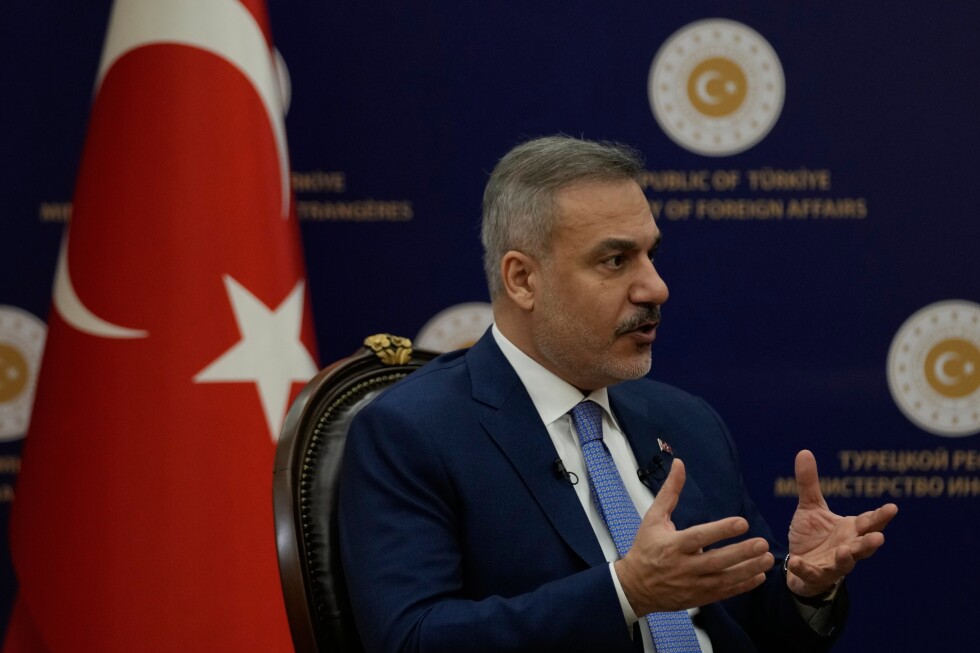
In an exclusive interview with The Associated Press, Turkish Foreign Minister Hakan Fidan disclosed that while no formal initiative exists to restart U.S.-Iran negotiations, Tehran appears receptive to back-channel diplomacy. The remarks come as Turkey intensifies efforts to maintain neutrality in the escalating Middle East conflict.
Fidan, a former intelligence chief who now serves as one of President Recep Tayyip Erdogan’s most trusted advisors, acknowledged that current conditions remain unfavorable for conventional diplomacy. He revealed Iranian officials feel “betrayed” after being attacked during active nuclear negotiations with the United States for the second time. Despite this, Fidan stated, “I think they are open to any sensible back-channel diplomacy.”
Turkey’s delicate balancing act faces continued challenges, including the interception of three Iranian-origin missiles by NATO defenses over Turkish territory. While Iranian officials denied targeting Turkey, Fidan confirmed available evidence indicates the missiles originated from Iran. Nevertheless, he ruled out military retaliation, emphasizing that NATO’s defensive systems proved effective and Ankara’s “primary objective” remains avoiding direct involvement in the conflict.
Regarding Iran’s leadership situation, Fidan provided insights into the power transition following the death of Ayatollah Ali Khamenei. While unable to confirm the severity of wounds sustained by new Supreme Leader Ayatollah Mojtaba Khamenei, Fidan confirmed he remains “alive and functioning.” The foreign minister suggested a temporary power vacuum had been filled by the Revolutionary Guards’ high command.
Fidan also addressed Turkey’s strained relations with Israel, dismissing speculation that Turkey could become Israel’s next target. He criticized Israeli Prime Minister Netanyahu’s government for consistently identifying regional enemies to advance its political agenda. The minister further accused Israel of territorial ambitions in Syria rather than genuine security concerns, predicting continued Middle East instability until this approach changes.
Despite these tensions, Turkey continues pursuing an active role in postwar Gaza arrangements. Fidan confirmed Turkey’s participation in the U.S.-backed Board of Peace and expressed willingness to contribute troops to an international stabilization force, though acknowledging Israeli opposition currently prevents this involvement. He emphasized the urgency of establishing an administration committee comprising independent Palestinian administrators to begin governance work in Gaza.