Beneath the ongoing aerial conflict between the US-Israeli alliance and Iran, a profound internal crisis is unfolding within Iranian urban centers. In the fortnight since the demise of Supreme Leader Ali Khamenei, a palpable climate of apprehension has taken root among civilians, who now find themselves caught between external military threats and an increasingly aggressive domestic security apparatus.
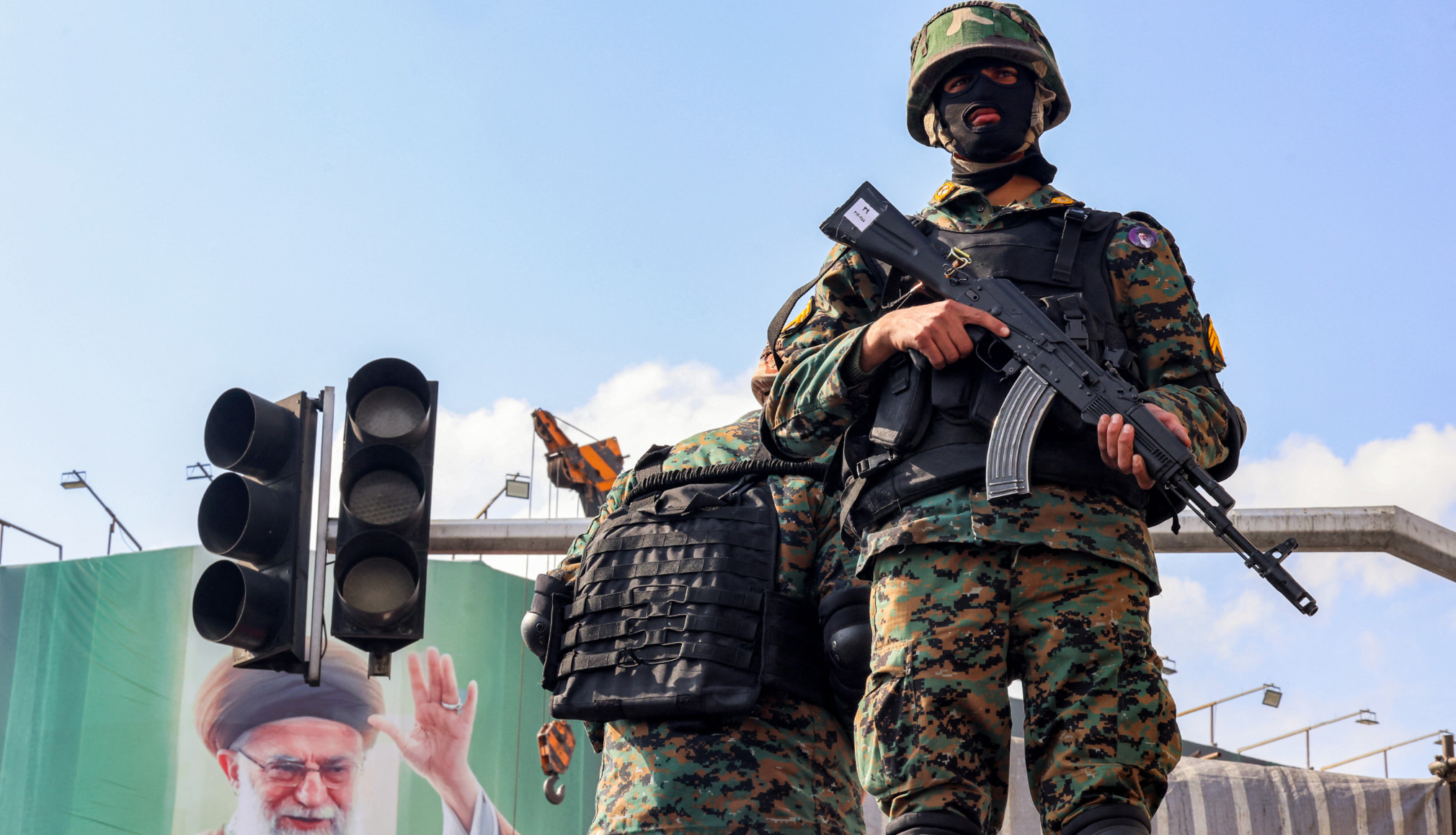
Pro-government paramilitary units and security forces have established a pervasive presence nationwide. These elements, including the Basij volunteer militia, now routinely stage orchestrated rallies, erect countless checkpoints, and directly confront citizens on public streets. This strategic mobilization has been openly encouraged by Iranian officials; Parliament Speaker Mohammad Bagher Ghalibaf publicly urged loyalists to demonstrate their ‘presence in the streets’ via social media, a directive analysts interpret as an effort to project unwavering control after a significant leadership vacuum.
The human impact of this strategy is severe and widespread. Personal accounts gathered from multiple cities describe a terrifying reality. Seema, a 42-year-old mother from Yazd, recounted being trapped in her car with her young son by motorcyclists chanting pro-regime slogans, who proceeded to violently assault her vehicle. In Tehran, residents like Ali describe an ‘oppressive’ and ‘toxic’ atmosphere, where young, armed volunteers man checkpoints to interrogate citizens with ‘pointless questions.’ The recent Quds Day rallies, an annual pro-Palestine event, were further stage-managed, with participants reportedly bused in to create an illusion of massive popular support for television broadcasts.
Simultaneously, Iranian security officials have issued stark warnings against any form of dissent. National Police Chief Ahmad Reza Radan explicitly threatened to treat anyone protesting at the ‘enemy’s request’ as an enemy combatant. This has effectively ceded control of public spaces to regime loyalists, leaving ordinary Iranians feeling silenced and endangered. The situation is compounded by the fact that these very checkpoints and security installations have become secondary targets in the international conflict, with Israeli strikes hitting such positions in Tehran, raising the grim specter of civilian casualties.
This convergence of external war and internal crackdown has generated complex and conflicting emotions among the populace. While many express deep-seated anger towards the regime’s repressive tactics, there is also growing disillusionment with foreign military action, which is seen as indifferent to civilian lives. As one Tehran resident, Ghazaleh, starkly summarized, citizens feel ‘trapped between two groups of criminals,’ where neither the Islamic Republic nor its international adversaries prioritize the welfare of the Iranian people. The prevailing fear is that the nation may endure the devastation of war only to emerge with an even more brutal and entrenched government.