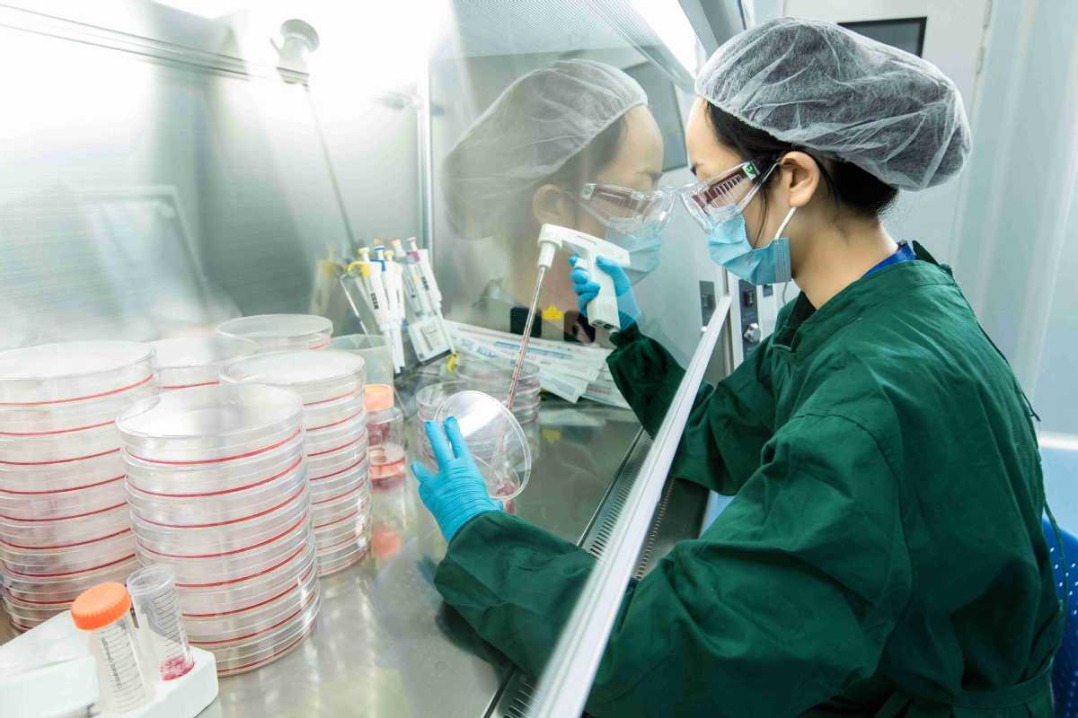
In a significant move to bolster technological sovereignty, China has officially elevated biomanufacturing to a cornerstone of its national strategy within the newly finalized 15th Five-Year Plan (2026-2030). This designation signals Beijing’s intensified focus on achieving self-reliance and global competitiveness in cutting-edge biotechnology sectors, particularly pharmaceuticals.
The initiative builds upon substantial growth during the previous five-year cycle, where China’s biomanufacturing sector expanded to a valuation exceeding 1.1 trillion yuan ($152 billion). Current strategy emphasizes bridging research with commercial-scale production through expanded pilot platforms, with ambitions to establish dominant global bioeconomic leadership by 2035.
International expert Joseph Scheeren, member of the French National Academy of Pharmacy, contextualizes this development: “China’s drive stems from dual objectives—domestic pharmaceutical self-sufficiency and future export capabilities. The nation possesses remarkable talent resources and industrial knowledge that can be leveraged to build sophisticated manufacturing capacities.”
Scheeren, whose extensive career includes R&D leadership across three continents, highlighted China’s rapidly evolving innovation ecosystem. Having witnessed the transformation firsthand since 2007, he noted the dramatic increase in high-impact scientific publications, patent filings, and research output over the past decade—all indicators of sustained technological advancement.
Complementing these efforts, China’s “AI plus” strategy is accelerating biomanufacturing innovation, particularly in pharmaceutical development where artificial intelligence tools are dramatically reducing both research timelines and associated costs. Official data confirms the core AI industry surpassed 1 trillion yuan in scale by 2025, with biomedicine emerging as a pillar sector.
While the United States maintains advantages in certain technological domains, China demonstrates accelerating leadership in research output and manufacturing capabilities. A recent Center for Strategic and International Studies report reveals 79% of U.S. pharmaceutical companies now depend on Chinese contract manufacturers, underscoring the strategic implications of China’s biotech advancement.