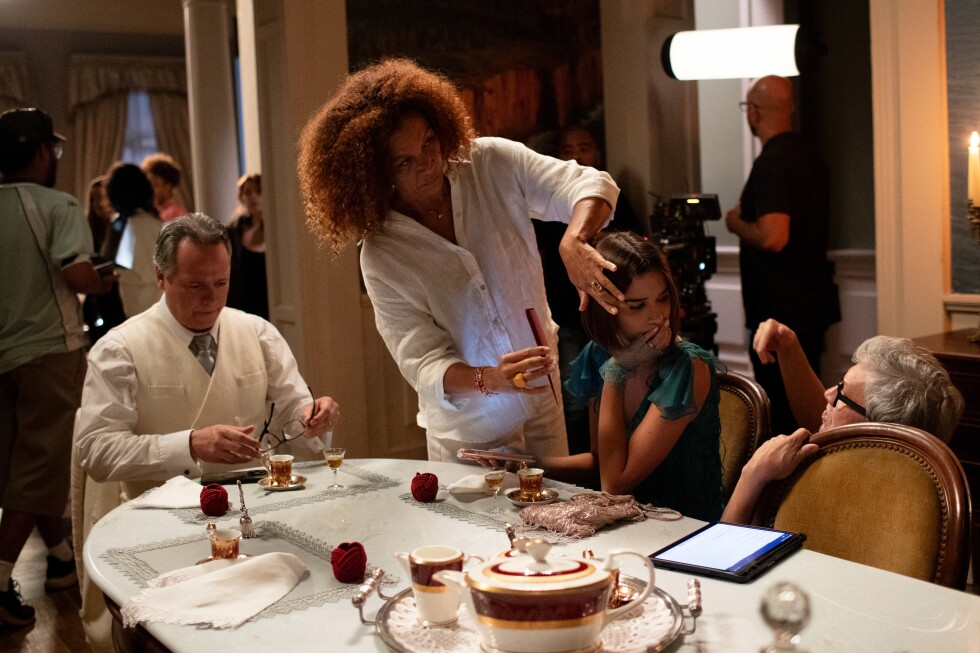
RIO DE JANEIRO — While Hollywood’s elite gather for the Academy Awards, Brazil’s unique entertainment ecosystem reveals a different path to stardom. Unlike the U.S. film-dominated system, Brazilian actors typically achieve national recognition through television’s powerful telenovela industry before transitioning to cinematic roles.
TV Globo, the nation’s broadcasting behemoth, operates a sophisticated production machine spanning 13 studios, three dedicated set towns, and 122 editing bays. Its soap operas reach approximately 60 million viewers weekly—nearly one-third of Brazil’s population—creating an unparalleled platform for actor visibility. This television exposure has become the essential launching pad for performers later appearing in Oscar-contending films like ‘Central Station’ (1998), ‘I’m Still Here’ (2024), and this year’s four-category nominee ‘The Secret Agent.’
The economic and cultural dominance of telenovelas emerges from Brazil’s limited cinema infrastructure, with only about 3,500 movie theaters predominantly located in urban centers and dominated by American blockbusters. This has created a circular talent ecosystem where actors gain fame through television, transition to film projects, and often return to television—a virtuous cycle that sustains careers.
Notable examples include Wagner Moura (‘The Secret Agent’) who appeared in the telenovela ‘A Lua Me Disse’ 21 years ago, and Fernanda Torres (‘I’m Still Here’) who gained recognition through TV Globo’s comedic series before achieving cinematic success.
‘Globo’s telenovelas are fundamental to Brazil’s audiovisual production ecosystem,’ stated Amauri Soares, director of TV Globo and Globo Studios. ‘They represent a continuous platform of content creation and production.’ Soares noted that ‘The Secret Agent’ features numerous Globo-affiliated actors and crew members, with the broadcaster maintaining investment stakes even in independent productions.
The production scale is staggering: TV Globo simultaneously broadcasts three soap operas daily from early evening through prime-time, each running approximately six months from Monday to Saturday. These productions employ over 1,000 people and generate such cultural significance that finale episodes become national viewing events, with bars, restaurants, and gyms adjusting schedules to accommodate viewers.
The industry maintains remarkable adaptability, with some episodes written mere days before airing based on audience response metrics. This flexibility creates an indirect co-creation process between writers and viewers. The economic impact is substantial—a remake of the hit ‘Vale Tudo’ reportedly generated over 200 million reais ($38 million) in advertising revenue, quadruple the global box office returns of ‘The Secret Agent.’
TV Globo’s talent pipeline systematically recruits approximately 70 new actors annually from theater, film, and regional productions. These performers undergo year-long development programs utilizing high-end equipment and contemporary techniques before branching into various productions.
According to industry veteran Dira Paes, a frequent Globo commentator during Oscar ceremonies, the interconnection between Brazil’s soap opera and cinema industries continues strengthening. ‘Professionals fluidly move between mediums for creative fulfillment and financial stability,’ noted Paes, who recently appeared in both the popular soap opera ‘Pantanal’ and the critically acclaimed film ‘Manas.’
Cultural critic Mauricio Stycer observes that Brazil’s socioeconomic inequality historically boosted free television channels like Globo, inadvertently diminishing public interest in cinema. ‘This dynamic created lingering resentment within Brazilian cinema circles regarding telenovelas’ broader reach,’ Stycer explained.
Many actors face what Stycer terms a ‘Hamletian dilemma’ when considering soap opera roles: ‘Choose guaranteed monthly income and popularity, or pursue the artistic risks of theater and cinema? Television remains a safe haven for most performers.’
While competing networks have attempted to challenge Globo’s dominance, none have achieved significant success. Even Globo’s supremacy has gradually diminished since its peak in the early 2010s, with executives acknowledging growing competition from streaming services.
Despite these shifts, ‘Globo remains Brazil’s most significant company for actors,’ Stycer affirmed. ‘Until the year 2000, Globo alone accounted for approximately 50% of all television ratings in Brazil.’
Actor and director Lázaro Ramos, who transitioned from theater and cinema to telenovelas, believes Brazilians have developed equal appreciation for both mediums when they successfully portray the nation’s complex identity. ‘Brazilians increasingly recognize themselves in telenovelas,’ Ramos observed. ‘Our acclaimed writers often adapt literary classics, creating an investment in national voice through characters, language, and aesthetics that resonate deeply with audiences.’
Ramos, who will attend the Academy Awards before returning to film his new soap opera ‘A Nobreza do Amor,’ emphasizes the practical necessity of medium-hopping for Brazilian performers. ‘While American actors might command $10 million per film, that isn’t our reality. Telenovelas aren’t inferior products—they represent the highest quality storytelling that sustains our industry.’