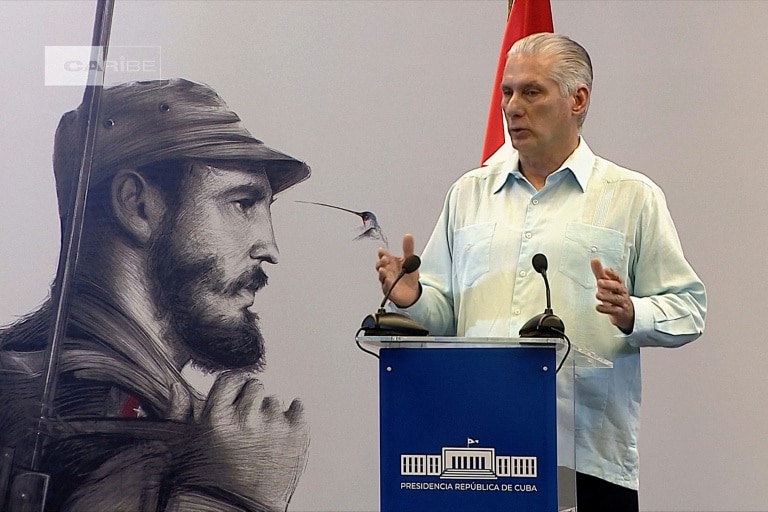
Cuban President Miguel Diaz-Canel has officially acknowledged ongoing diplomatic negotiations with the United States, marking a significant development in bilateral relations between the historically adversarial nations. The announcement, delivered during a nationally televised government meeting on Friday, confirms earlier revelations by former US President Donald Trump regarding backchannel communications.
The discussions occur against the backdrop of severe economic pressure on Cuba, particularly following Washington’s imposition of an oil blockade in January. This energy embargo has compounded the effects of the decades-long economic sanctions, pushing Cuba’s already fragile economy toward potential collapse. The restrictions have severely constrained fuel supplies for power generation and agricultural operations, while international airlines have substantially reduced or suspended services to the island due to kerosene shortages.
President Diaz-Canel characterized the dialogue as an effort to ‘seek solutions through dialogue to the bilateral differences that exist between our two nations.’ While providing limited specifics regarding the negotiation agenda, he indicated the process benefits from support by ‘international factors,’ without further elaboration.
Separately, Cuba announced the release of 51 prisoners following discussions with the Vatican, which has historically mediated between Washington and Havana. This gesture coincides with reports suggesting Raul Guillermo Rodriguez Castro, grandson of former Cuban leader Raul Castro, has been conducting clandestine talks with US Secretary of State Marco Rubio for several weeks.
The diplomatic overtures unfold amid heightened regional tensions. Cuban security forces recently engaged a speedboat carrying alleged US-based armed assailants on February 25, resulting in five fatalities. Meanwhile, former President Trump previously predicted Cuba’s imminent political collapse following the administration’s actions against Venezuelan leader Nicolas Maduro, Cuba’s primary oil supplier.