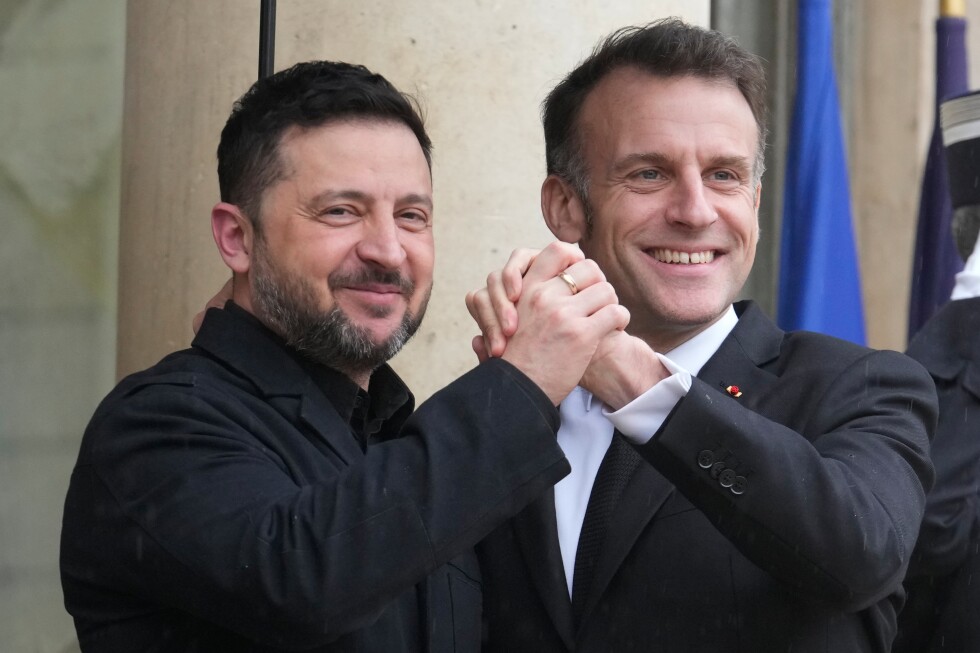
Ukrainian President Volodymyr Zelenskyy has sharply criticized the United States’ decision to grant a 30-day waiver on Russian oil sanctions, warning that the move would funnel approximately $10 billion to Moscow’s war efforts. Speaking at a joint press conference with French President Emmanuel Macron in Paris on Friday, Zelenskyy characterized the sanctions relief as counterproductive to peace negotiations.
“This easing alone by the United States could provide Russia with about $10 billion for the war,” Zelenskyy stated. “I believe that lifting sanctions will, in any case, lead to a strengthening of Russia’s position. It spends the money from energy sales on weapons, and all of this is then used against us.”
The U.S. Treasury Department announced the temporary waiver on Thursday, citing the need to address Russian oil cargoes stranded at sea and mitigate supply shortages resulting from ongoing conflicts in the Middle East. Analysts note that rising oil prices due to production disruptions in the Persian Gulf have inadvertently benefited Russia’s economy, which relies heavily on energy revenues to finance its military operations.
The decision has drawn international criticism beyond Ukraine’s leadership. German Chancellor Friedrich Merz declared the waiver “the wrong decision” during his visit to Norway, revealing that six G7 members had expressed opposition to sanctions relief during recent discussions. “There is currently a price problem, but not a supply problem,” Merz noted, questioning the underlying motivations for the U.S. action.
President Macron sought to contextualize the waiver as “limited” and “exceptional,” emphasizing that broader sanctions against Russia remain intact. Meanwhile, U.S.-mediated talks between Moscow and Kyiv remain suspended due to regional instability, though Zelenskyy indicated potential resumption next week.
In a strategic pivot, Zelenskyy announced that Ukraine has received requests from six nations, including the United States and Jordan, for combat drone assistance. Having emerged as a global leader in drone interceptor technology, Ukraine now offers its battlefield expertise to international partners in exchange for advanced weaponry it cannot domestically produce. Zelenskyy stressed that effective drone defense requires integrated systems beyond interceptors alone, noting “There must be proper, systematic work with radars and with the entire air defense system.”
The Ukrainian president confirmed that White House approval is pending for a bilateral agreement on producing battle-tested drones, potentially marking a significant advancement in Ukraine’s defense capabilities.