The Middle Eastern conflict approaches its two-week milestone with intensifying military engagements and no immediate resolution on the horizon. Current casualty figures have surpassed 2,000 fatalities across the region, amplifying global apprehensions regarding potential energy market disruptions and humanitarian consequences.
In a significant humanitarian gesture, the Red Cross Society of China has pledged $200,000 in emergency assistance to the Iranian Red Crescent Society. This aid specifically addresses the tragic incident at Shajareh Tayebeh primary school in Iran’s Hormozgan province, where over 160 casualties—predominantly young students—were reported. Chinese Foreign Ministry spokesman Guo Jiakun condemned the attack, emphasizing that “targeting educational institutions and harming children constitutes a grave violation of international humanitarian law and profoundly offends humanity’s moral conscience.” Preliminary military investigations suggest the school strike resulted from a targeting error involving a US Tomahawk missile.
Maritime tensions escalated dramatically as Iran’s navy reported launching coastal anti-ship missiles toward the USS Abraham Lincoln aircraft carrier battle group operating approximately 340 kilometers from Iranian territorial waters in the Sea of Oman. Iranian state media claimed the US vessels were observed “fleeing the area at high speed” following the engagement. US officials promptly refuted these assertions, maintaining no evidence indicates their warships were either targeted or struck. The United States has strategically positioned two aircraft carrier groups—including the USS Gerald R. Ford—in the region as a show of force.
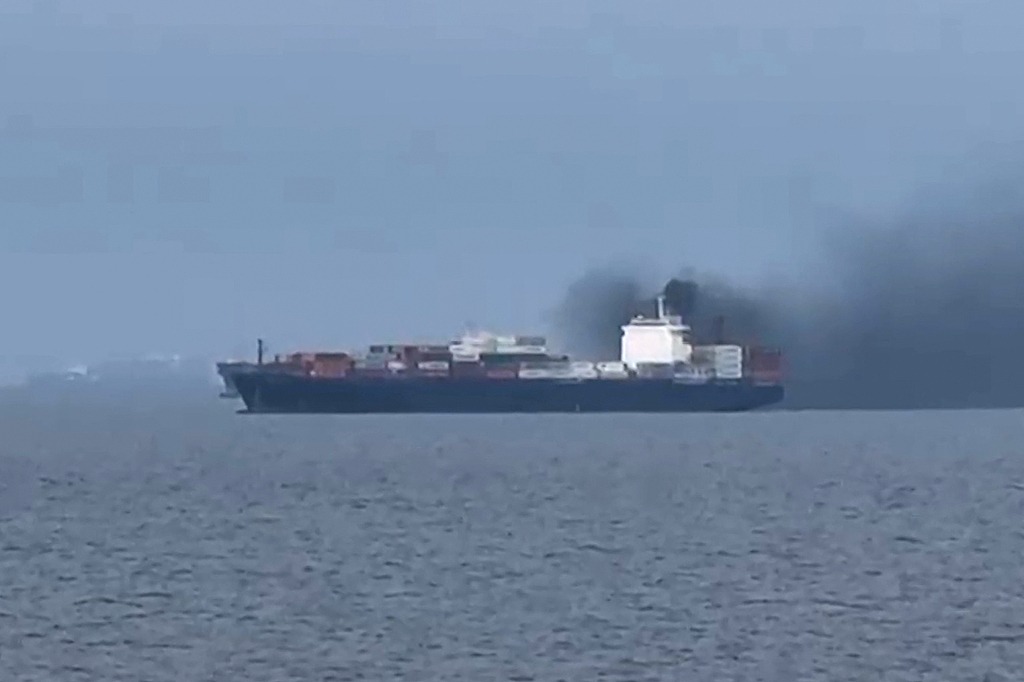
The conflict’s ripple effects continue to destabilize global energy markets despite coordinated international efforts. Oil prices persist near $100 per barrel notwithstanding the International Energy Agency’s historic decision to release 400 million barrels from global petroleum reserves. Retired Royal Navy officer Tom Sharpe noted that approximately 1,000 commercial vessels remain gridlocked in the Persian Gulf, creating a shipping crisis potentially exceeding the scale of the 1980s Iran-Iraq Tanker War. Whereas 150 ships typically transit the Strait of Hormuz daily under normal circumstances, only a minimal trickle of vessels currently navigates this critical chokepoint.
Regional hostilities expanded significantly with intensive drone and missile exchanges reported across multiple fronts. Lebanon has recorded over 600 fatalities, Iran acknowledges approximately 1,300 casualties, Israel reports a dozen deaths, and at least seven US service members have perished in combat operations. Saudi Arabia’s Defense Ministry confirmed intercepting more than 50 drones, including one targeting the Diplomatic Quarter in Riyadh. The United Arab Emirates reported debris from intercepted projectiles damaging structures in central Dubai, though no injuries resulted from what authorities termed a “minor incident.” UAE defenses have engaged 278 ballistic missiles, 15 cruise missiles, and 1,540 drones since hostilities commenced.
The conflict’s expansion into neighboring territories was further evidenced by a crashed US military KC-135 refueling aircraft in Iraq. While US officials attributed the incident to non-hostile causes, the Iran-backed Islamic Resistance in Iraq claimed responsibility for downing the aircraft with missile fire, asserting all crew members perished. In a separate development, French President Emmanuel Macron announced the nation’s first combat fatality in Iraq’s Erbil region, signaling the conflict’s broadening international dimensions.