The Middle East crisis has intensified dramatically with no resolution in sight, as global powers remain deeply divided on conflict resolution approaches. Chinese Foreign Minister Wang Yi has issued a forceful appeal for an immediate ceasefire during diplomatic communications with Egyptian counterpart Badr Abdelatty, emphasizing that prolonged hostilities would inflict severe humanitarian suffering and economic devastation across the region.
Wang, representing China’s position as a responsible global actor, stressed that Beijing and Cairo share common ground in advocating peaceful dialogue over military confrontation. The Chinese diplomat confirmed China’s commitment to maintaining coordination with regional nations to facilitate constructive peacemaking efforts.
The Egyptian leadership expressed appreciation for China’s balanced diplomatic stance while confirming Cairo’s readiness to collaborate closely in de-escalation initiatives. This diplomatic exchange occurs against a backdrop of escalating violence that has claimed approximately 2,000 lives since joint US-Israeli strikes targeted Iranian interests nearly two weeks ago.
Iranian President Masoud Pezeshkian has established explicit conditions for conflict termination, demanding international recognition of Iran’s legitimate rights, substantial reparations, and ironclad security guarantees against future aggression. Conversely, US President Donald Trump has declared military victory and promised to complete operational objectives.
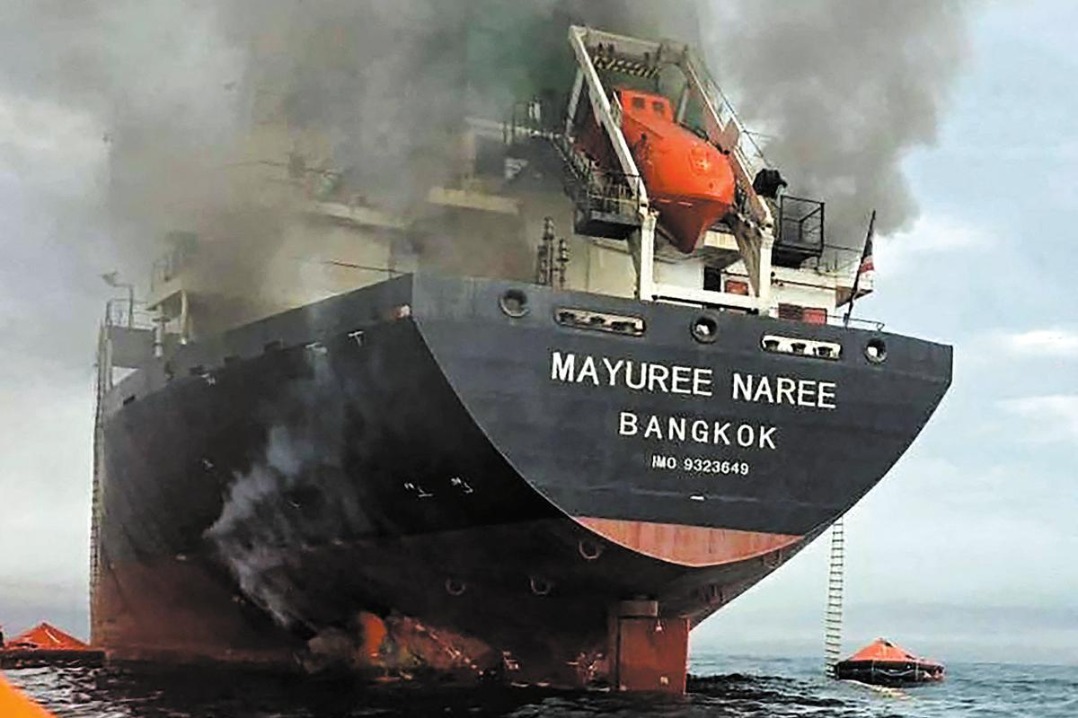
The economic ramifications have reached critical levels, with Iran effectively closing the strategically vital Strait of Hormuz—a maritime passage handling twenty percent of global oil shipments. This blockade has triggered unprecedented market disruptions, driving crude prices above $100 per barrel despite the International Energy Agency’s historic release of 400 million barrels from emergency reserves.
Regional security has deteriorated further with Iran threatening strikes against American and Israeli economic assets, including banking institutions and technology corporations, prompting multinational companies to evacuate personnel from the crisis zone.