Amid ongoing regional hostilities involving Israel and the United States, many Iranians are confronting anxieties that extend beyond immediate military threats to deeper concerns about national disintegration and ethnic conflict. Citizens across Iran report growing fears that external powers might exploit longstanding ethnic tensions to destabilize the country’s territorial integrity.
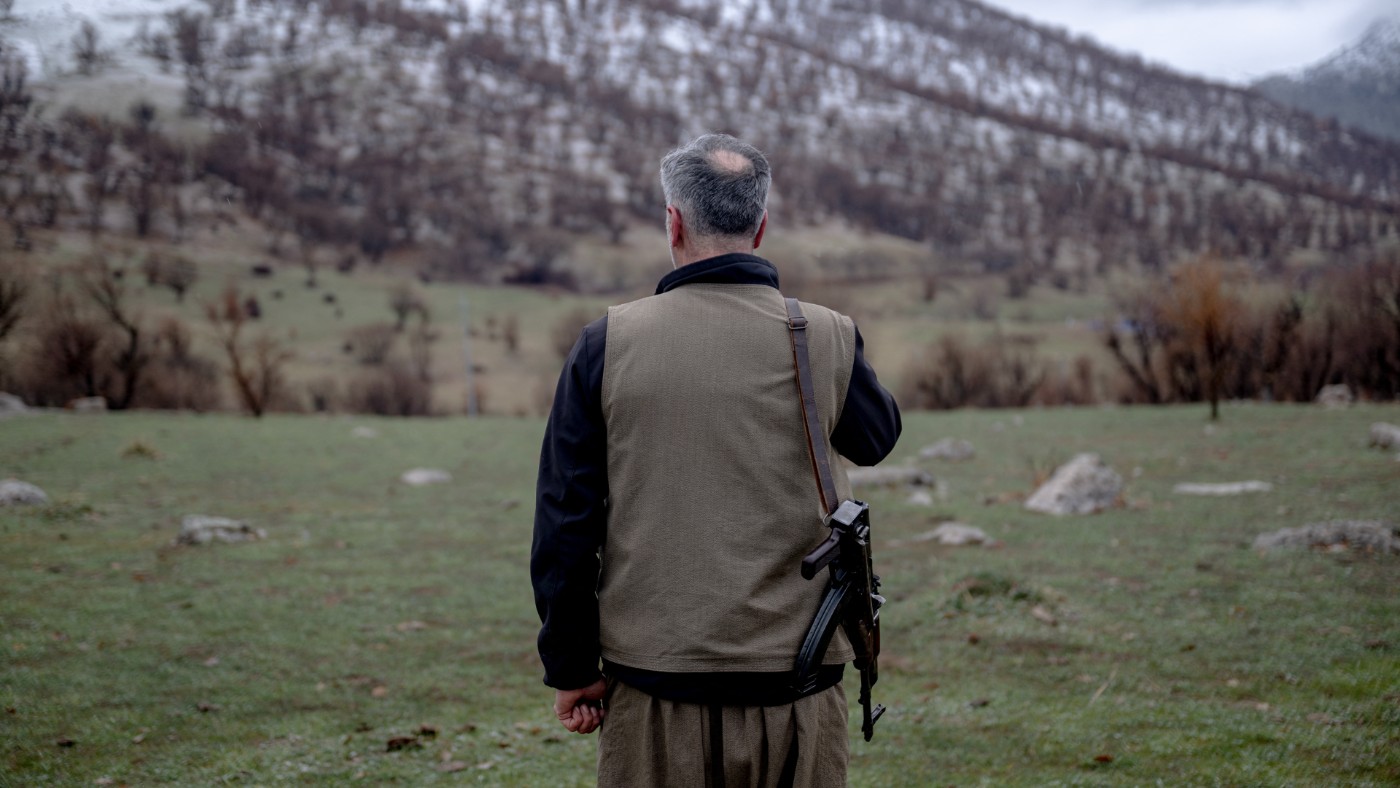
These apprehensions have been amplified by recent remarks from U.S. President Donald Trump suggesting Iran’s borders might not remain unchanged after the current conflict—comments that have circulated widely on Persian-language social media platforms. Particularly alarming to many is the potential involvement of armed Kurdish groups operating from bases in northern Iraq’s Kurdistan region.
Keyvan, a 42-year-old Tehran resident, expresses a common concern: “They have been planning to break up Iran for years. Not just Israel, even the United States.”
In recent weeks, unverified reports have circulated about possible preparations by Iranian Kurdish opposition groups based in Iraq. While prominent Kurdish figures like Bafel Talabani, leader of the Patriotic Union of Kurdistan, have dismissed the likelihood of cross-border operations, other Kurdish leaders have suggested increased probability of action under current conditions.
According to research from Minority Rights Group International, Kurds constitute approximately 10% of Iran’s population, primarily residing in border provinces. Several Iranian Kurdish opposition movements, which Tehran designates as terrorist organizations, have maintained bases in northern Iraq for decades.
The formation of a coalition of Iranian Kurdish opposition parties just before the current conflict began—with the stated aim of overthrowing Iran’s government—has further heightened tensions. Iran’s Revolutionary Guard Corps has repeatedly launched strikes against militant camps across the Iraqi border, and a 2023 security agreement between Iran and Iraq aimed to disarm and relocate these groups.
Despite historical grievances and complaints of discrimination among Sunni communities in Iran, many residents emphasize national unity when facing external threats. Bahram, a 65-year-old resident of Sanandaj in Iran’s Kurdistan province, states: “When the issue is Iran, there is no difference between Shia and Sunni, Kurdish or Persian.”
The conflict has caused some Iranians who previously supported foreign pressure on their government to reconsider their positions. Zohreh, a 43-year-old mother, explains: “We were exhausted by the crimes of the Islamic Republic… but now when I listen to the speeches of Israel’s prime minister and the American president, I realise they are criminals too.”
Analysts warn that external conflict could intensify ethnic tensions within Iran if instability spreads across its borders. Although U.S. officials have denied reports suggesting Washington might support Kurdish militant incursions, many Iranians remain deeply skeptical of such assurances, fearing their country could slide into civil war and fragmentation.