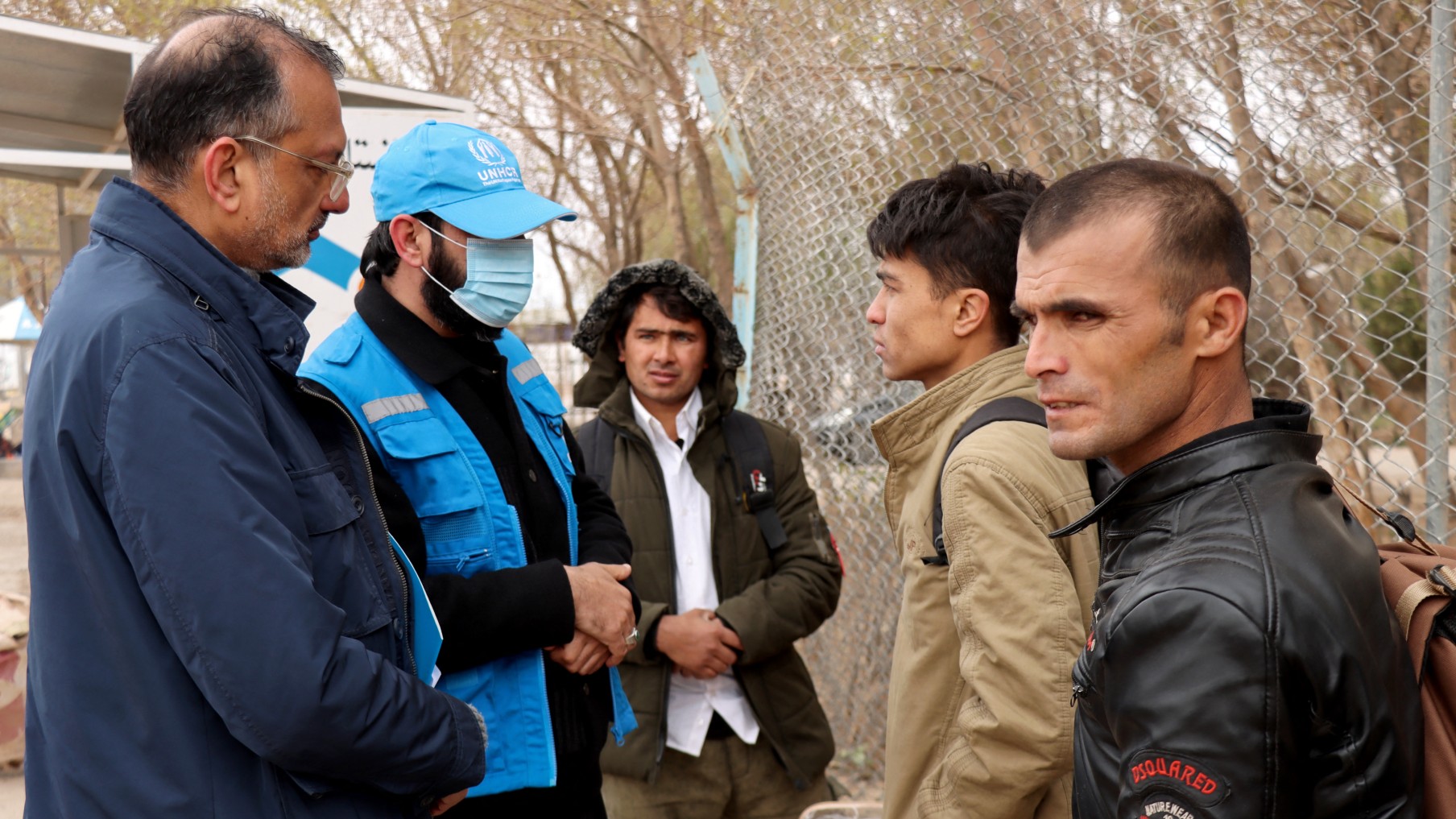
A deepening humanitarian emergency has emerged in Iran with the United Nations Refugee Agency (UNHCR) confirming approximately 3.2 million civilians have been internally displaced since the onset of recent military hostilities. This substantial displacement, affecting between 600,000 to one million households, began following the escalation of regional conflict on February 28.
Ayaki Ito, UNHCR’s Emergency Coordinator for the Middle East, issued a grave warning stating, “This figure is likely to continue rising as hostilities persist, marking a worrying escalation in humanitarian needs.” The capital city of Tehran has witnessed particularly severe population outflow, with an estimated 100,000 residents fleeing within the initial 48 hours of conflict.
The crisis compounds existing refugee challenges, as Iran has long served as a sanctuary for approximately 1.65 million people who previously fled conflict in neighboring Afghanistan. Many of these already vulnerable refugees now face secondary displacement amid the current hostilities.
This Iranian displacement crisis reflects a broader regional pattern of population movement. UN data indicates nearly 25 million people across affected nations were already categorized as refugees, internally displaced, or recently returned individuals before the current conflict, creating conditions ripe for further humanitarian deterioration.
Neighboring Lebanon reports parallel challenges, with aid agencies documenting 800,000 people forced from their homes since hostilities began. The Lebanese government confirms approximately 100,000 of these displaced individuals are currently sheltering across 440 collective sites. Additionally, UNHCR statistics show at least 33,600 Syrians and approximately 3,000 Lebanese citizens have crossed into Syria seeking refuge.