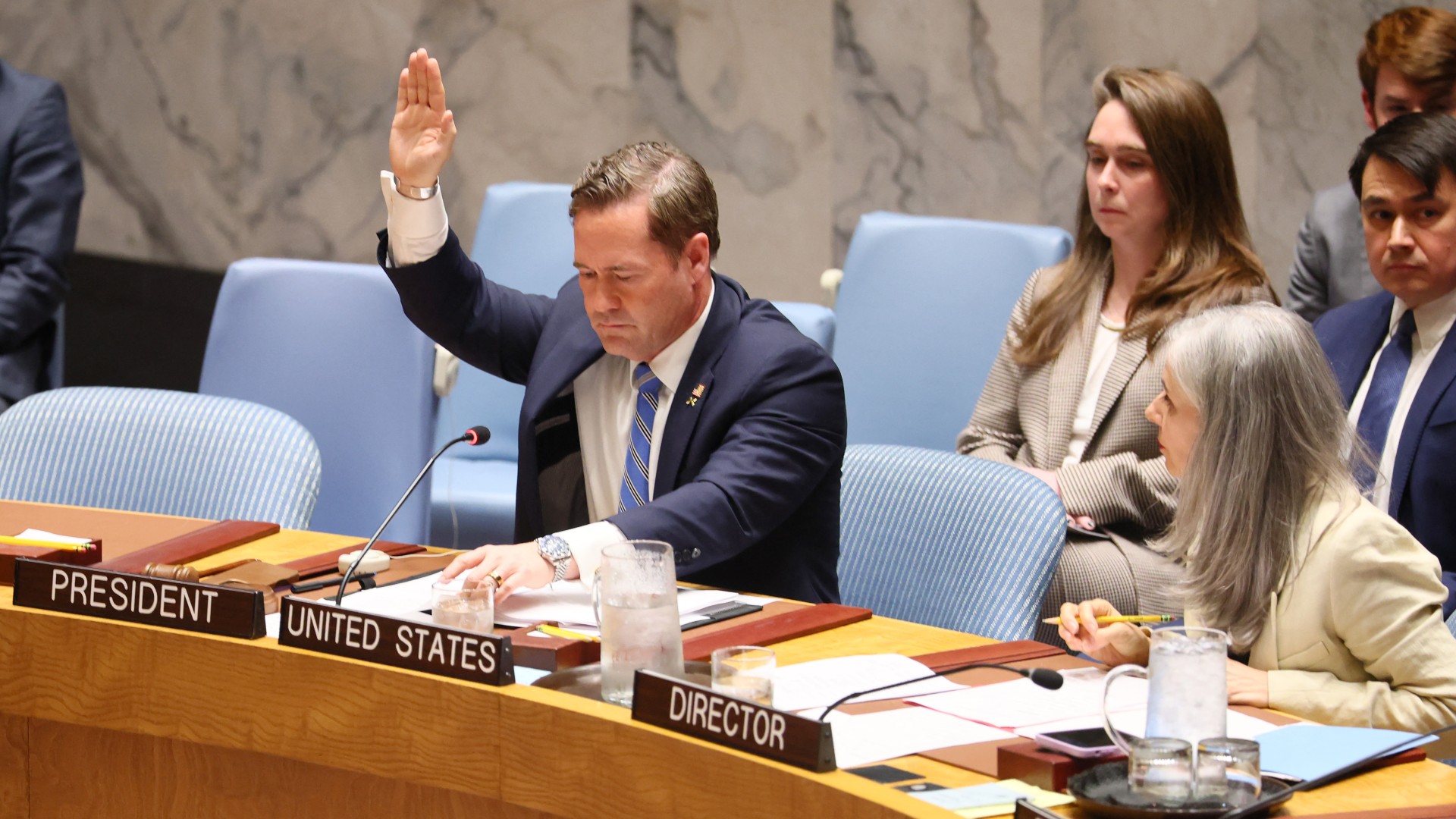
The United Nations Security Council has approved a resolution demanding an immediate cessation of Iranian military operations against Gulf nations, sparking intense diplomatic controversy. The measure, introduced by Bahrain and co-sponsored by 135 member states, specifically calls for Iran to halt all attacks targeting Bahrain, Kuwait, Oman, Qatar, Saudi Arabia, the United Arab Emirates, and Jordan.
The resolution further condemns Iranian actions that threaten international navigation through the strategically vital Strait of Hormuz. The document passed with 13 votes in favor, while Russia and China abstained from voting. Notably absent from the resolution was any mention of U.S. or Israeli military actions against Iran, a deliberate omission that drew sharp criticism from Tehran’s diplomatic delegation.
Bahrain’s UN envoy, Jamal Fares Alrowaiei, emphasized the global economic significance of regional security, stating that stability in the Gulf represents an international responsibility directly linked to worldwide energy security and economic stability.
In response, Iranian Ambassador Amir Saeid Iravani denounced the resolution as a ‘blatant misuse’ of Security Council authority that leaves ‘a lasting stain on its record.’ He characterized the measure as a ‘manifest injustice’ against Iran, which he described as the primary victim of aggression.
The diplomatic confrontation follows escalating hostilities that began on February 28th when U.S. and Israeli strikes targeted Iranian leadership and infrastructure. Iran subsequently launched drone and missile attacks against Israel and throughout the Gulf region.
U.S. Ambassador Mike Waltz declared that Iran’s strategy of regional destabilization had backfired, as demonstrated by the Council’s vote. Meanwhile, China’s representative Fu Cong acknowledged the importance of Gulf security but criticized the resolution for failing to present a balanced perspective on the conflict’s root causes.
Russia’s Vasily Nebenzya condemned the resolution as ‘biased and one-sided,’ warning that it could encourage further aggression against Iran. Moscow proposed an alternative draft calling for comprehensive de-escalation without naming specific parties, but this measure was rejected with only four votes in favor.