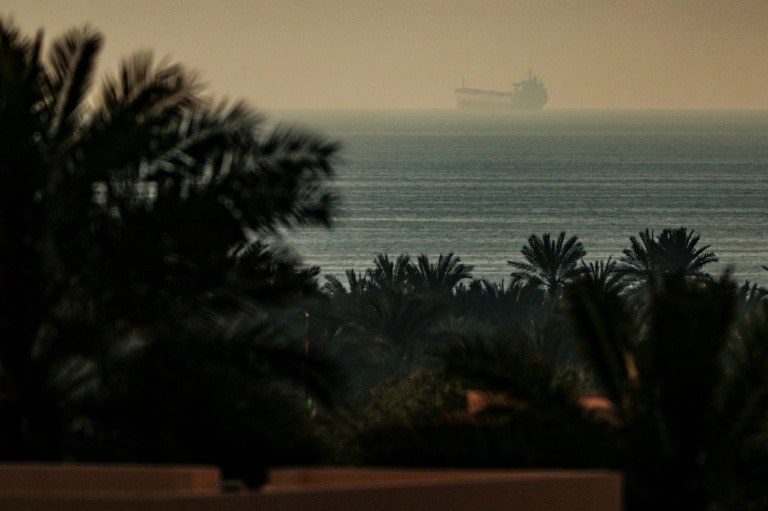
Thousands of Filipino maritime workers remain trapped in a dangerous holding pattern within the Strait of Hormuz as escalating Middle Eastern hostilities transform this critical shipping artery into a high-risk zone. The Philippine government confirms over 6,000 of its nationals—representing approximately a quarter of the world’s seafaring workforce—continue operating within conflict-affected territories and adjacent waters.
The strategic waterway, typically responsible for transporting 20% of global oil and gas supplies, has effectively shut down following recent Iranian missile strikes. This closure has triggered significant disruptions within international energy markets while stranding numerous vessels and their crews.
Among those affected is George Miranda, a 46-year-old Filipino tugboat operator currently listed as missing after his vessel sustained missile damage. His case highlights the extreme dangers facing maritime personnel in the region.
For sailors like John Winston Isidro aboard a Very Large Crude Carrier, daily existence has become characterized by heightened security protocols and psychological strain. Crew members have suspended above-deck operations while implementing doubled bridge watches. Off-duty hours are filled with digital distractions—social media browsing, video gaming, and film viewing—as engines remain perpetually primed for emergency departure.
Welbin Maghanoy, another seafarer transporting crude oil to Japan, reported nine consecutive days of immobilization approximately 100 nautical miles off the United Arab Emirates coast. ‘The combination of boredom and fear creates tremendous pressure,’ he observed, noting that tankers specifically appear targeted in recent attacks.
The United Filipino Seafarers union, representing 50,000 maritime professionals, reports receiving hundreds of distress calls from stranded members. Union president Judy Domingo confirms urgent concerns regarding provisions and evacuation logistics, emphasizing that immediate extraction remains complicated by security considerations and limited safe port options.
In one documented case, crewmembers aboard a Philippine-flagged vessel conducted an informal referendum regarding whether to attempt traversing the near-deserted strait. Twenty-seven sailors unanimously elected to remain stationary despite contractual obligations, with one seafarer identified as ‘Choi’ stating: ‘We chose to go home alive.’
Isidro expressed gratitude that his captain unilaterally decided to maintain their position rather than risk the dangerous passage. The collective sentiment among stranded mariners now centers on hopeful prayers for rapid de-escalation between US and Iranian forces to enable safe departure from the conflict zone.