Escalating military tensions in the Middle East are generating significant economic headwinds for Australia, with analysts warning of sustained pressure on consumer prices and broader economic stability through disrupted global supply chains.
Economic experts indicate that joint US-Israeli military operations against Iran and subsequent regional instability are creating ripple effects that will impact the Australian economy through multiple channels. While Australia sources most refined fuel from Asian refineries, the global nature of oil pricing means domestic consumers remain vulnerable to international price fluctuations.
Harry Murphy Cruise, Head of Economic Research and Global Trade at Oxford Economics Australia, explained: “The primary transmission mechanism is undoubtedly petroleum products. Even crude processed in Asian facilities often originates from the Gulf region, leaving Australian motorists exposed to price spikes that could exacerbate existing inflationary pressures.”
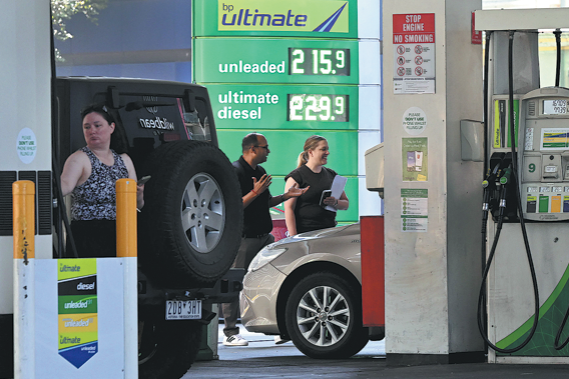
Current data reveals concerning trends at fuel stations nationwide. New South Wales government monitoring indicates premium 95 gasoline reached A$2.29 per liter across NSW and the Australian Capital Territory this week, substantially higher than the A$2.12 recorded on March 4.
The economic implications extend beyond pump prices. Commonwealth Bank analysis confirms automotive fuel price volatility significantly influences Australia’s Consumer Price Index, the primary inflation gauge. Higher transportation costs potentially create a dual impact: directly elevating certain prices while simultaneously reducing household disposable income for other expenditures.
Shane Oliver, Chief Economist at AMP Financial Services, quantified the relationship: “Roughly each $1 per barrel increase in oil prices translates to approximately one cent per liter increase at Australian petrol stations. These increases impart a dampening effect on economic growth by forcing household budget adjustments.”
In response to growing consumer concerns, the Australian Competition and Consumer Commission (ACCC) has intensified market surveillance. Commissioner Anna Brakey issued explicit warnings to fuel retailers: “Making false or misleading statements regarding price increases would violate Australian Consumer Law. We’ve communicated expectations to major fuel companies regarding pricing practices during these international developments.”
Despite these challenges, Australia maintains certain economic buffers. Prime Minister Anthony Albanese noted the nation’s strengthened position with “the largest fuel reserves in 15 years,” while Cruise highlighted potential benefits for Australia’s liquefied natural gas export sector from elevated global gas prices.