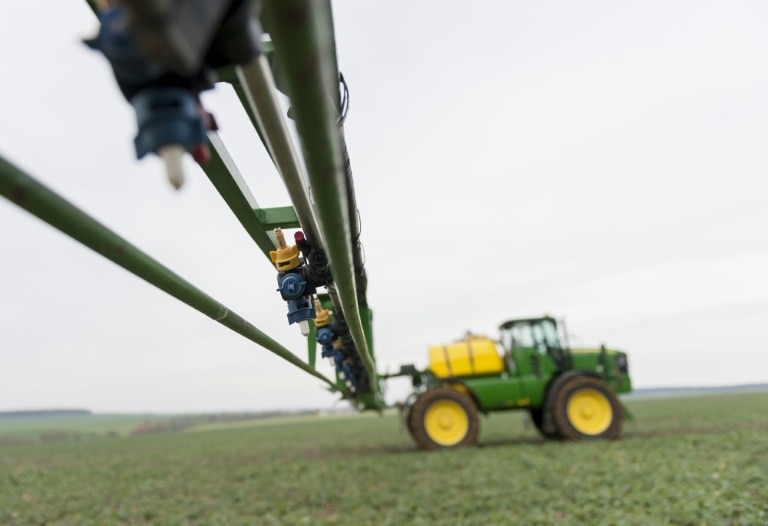
The ongoing military conflict in the Middle East has triggered a severe disruption in global fertilizer supplies, creating substantial risks to worldwide food security. The strategic Strait of Hormuz, a critical maritime passage effectively closed by Iran, has blocked approximately one-third of seaborne fertilizer shipments from reaching international markets.
The Gulf region serves as a pivotal manufacturing hub for synthetic fertilizers, leveraging its abundant natural gas reserves—the primary feedstock for production. According to industry data, the area generates nearly half of global sulphur supplies, one-quarter of internationally traded ammonia, and one-third of urea, which Sarah Marlow, Global Editor for Fertilizers at Argus Media, describes as “the most widely traded fertilizer of all.”
Major agricultural nations are feeling the strain. The United States, Australia, Brazil, and India rely heavily on Gulf-derived urea, phosphate, and sulphur. Asia imports 64% of its ammonia and over 50% of its sulphur and phosphates from the region, as per 2024 figures from Kpler.
Since hostilities escalated, production facilities—particularly in Qatar—have been shuttered. With around 20 vessels stranded near the Strait and only one Chinese sulphur carrier managing to depart on March 7, supply chains are in gridlock.
Even regions with less direct exposure, such as Europe, face indirect impacts. Morocco, a key supplier of phosphorus-based fertilizers to the EU, depends on Gulf sulphur. Egypt, which provides 26% of Europe’s urea, has seen prices surge from $500 to over $650 per tonne due to halted Israeli gas deliveries via pipeline.
Developing nations are especially vulnerable. India has begun rationing gas to fertilizer plants, while Bangladesh has idled five of its six production facilities. The United Nations has raised alarms regarding fertilizer accessibility in low-income countries.
Synthetic fertilizers deliver essential nitrogen, phosphorus, and potassium that support crop growth. Research from INREA, a French agricultural institute, suggests that without these inputs, global crop yields could decline by one-third. Nitrogen-based variants require significant natural gas and energy for synthesis, while sulphur is a co-product of oil and gas processing.
The duration of the conflict and the extent of damage to production infrastructure remain uncertain. Reconstruction and repair may significantly delay recovery even after hostilities cease. With the Southern Hemisphere’s planting season approaching in June, concerns are mounting among farmers and policymakers alike.
In response, the European Commission is developing a fertilizer action plan, building on lessons from the price surge following Russia’s invasion of Ukraine. European farmers have already begun reducing consumption and diversifying suppliers—a strategy that may now see accelerated adoption.