A monumental green energy initiative in Namibia’s Tsau ǁKhaeb National Park has ignited a complex debate balancing economic development against ecological preservation and historical justice. The Hyphen Hydrogen Energy project, a $10 billion joint venture led by Germany’s Enertrag, aims to transform this pristine desert coastline into Africa’s first large-scale green hydrogen production facility.
This ambitious plan leverages Namibia’s world-class solar and wind resources to produce clean fuel through electrolysis, with eventual conversion to ammonia for export. The Namibian government maintains a 24% stake in the project, which promises to address the country’s 44% youth unemployment through 15,000 construction jobs and 3,000 permanent positions.
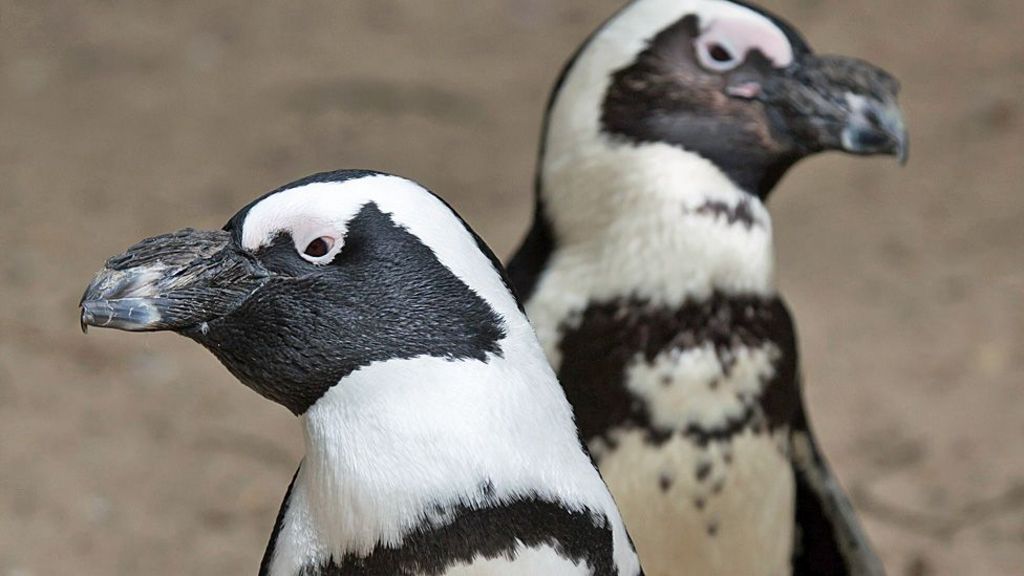
However, conservationists warn that the industrial development threatens one of Africa’s most biodiverse regions. The 26,000 sq km park, previously protected for a century as Germany’s colonial ‘Sperrgebiet’ (Restricted Area), hosts unique succulents with specialized survival adaptations and provides critical habitat for the critically endangered African penguin. The Namibian Chamber of Environment has labeled the proposal ‘red hydrogen’ due to its potential to push numerous species toward extinction.
Further complications emerge from the project’s historical context. The proposed port expansion area near Lüderitz borders Shark Island, site of a German colonial concentration camp where thousands of Nama and Herero people were exterminated between 1904-1908. Local activists emphasize the need for respectful engagement with this painful history.
While Hyphen claims comprehensive environmental assessments and avoidance of sensitive areas, community representatives express skepticism about job specifics and long-term benefits. The final investment decision, expected by late 2026, will determine whether Namibia’s green energy aspirations can coexist with its ecological and historical preservation responsibilities.