The strategic Strait of Hormuz has become a maritime ghost town since February 28, 2026, when escalating tensions between the United States, Israel and Iran triggered a catastrophic 90% collapse in oil tanker traffic through the world’s most vital energy corridor. Iran’s explicit threats to destroy any vessels transiting the narrow passage have created an effective blockade, stranding over 400 tankers in the Persian Gulf as insurance providers hesitate to cover warzone risks and crews exercise their right to refuse dangerous passages.
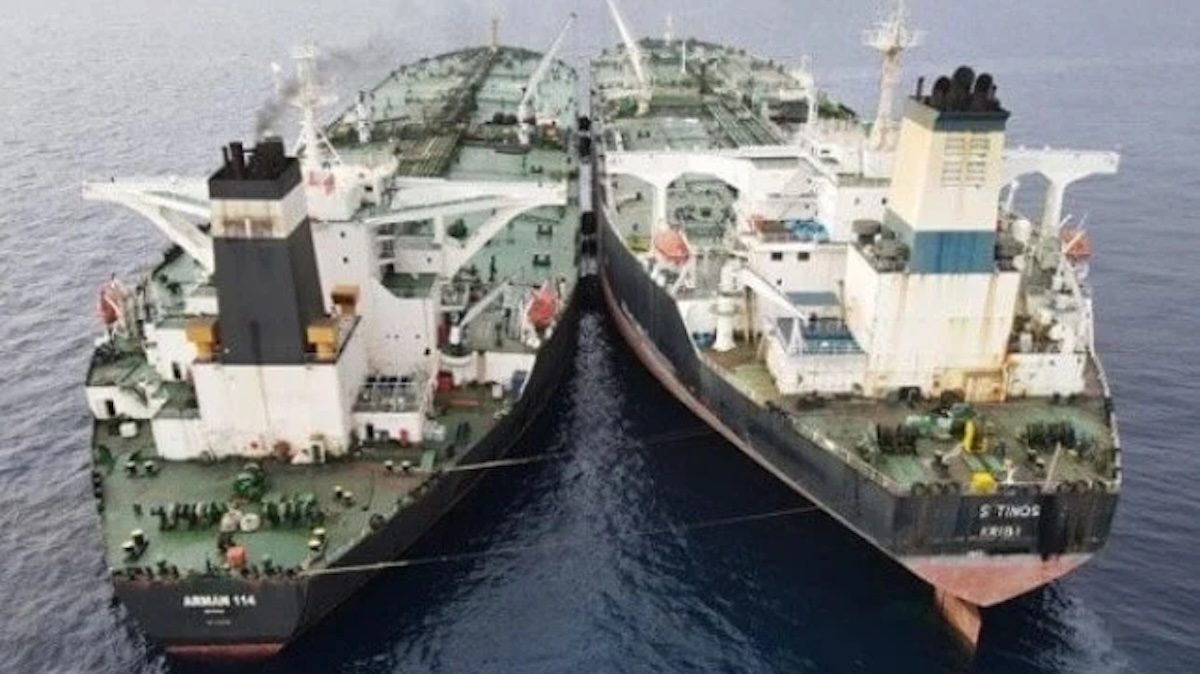
Amid this standstill, a parallel shipping ecosystem continues operating outside international norms. Dubbed the ‘shadow fleet,’ these vessels specialize in circumventing sanctions, ignoring environmental regulations, and operating with obscured ownership structures. Their continued movement through the crisis zone reveals fundamental weaknesses in global maritime governance, where tracking systems remain voluntary and flag registrations operate as commercial transactions rather than meaningful regulatory frameworks.
The maritime insurance system, traditionally the enforcement backbone of shipping compliance, has proven inadequate against determined circumvention. While mainstream insurers based in London have frozen coverage for legitimate operators, approximately 1,100 shadow vessels continue moving restricted commodities using opaque insurance arrangements. Maritime intelligence indicates this parallel fleet represents 17-18% of all liquid cargo tankers worldwide.
This crisis exposes how voluntary participation underpins global shipping. Without physical mechanisms to prevent transponder manipulation or fraudulent registrations, vessels can effectively become stateless entities. The current situation demonstrates how sanctions compliance becomes ‘ruinously expensive’ for some nations, prompting the development of alternative systems that now dominate movement through the critical strait.
The persistence of shadow operations during this geopolitical crisis sends a stark message about maritime governance: systems built on voluntary participation can be voluntarily abandoned when economic or political incentives outweigh the costs of compliance.