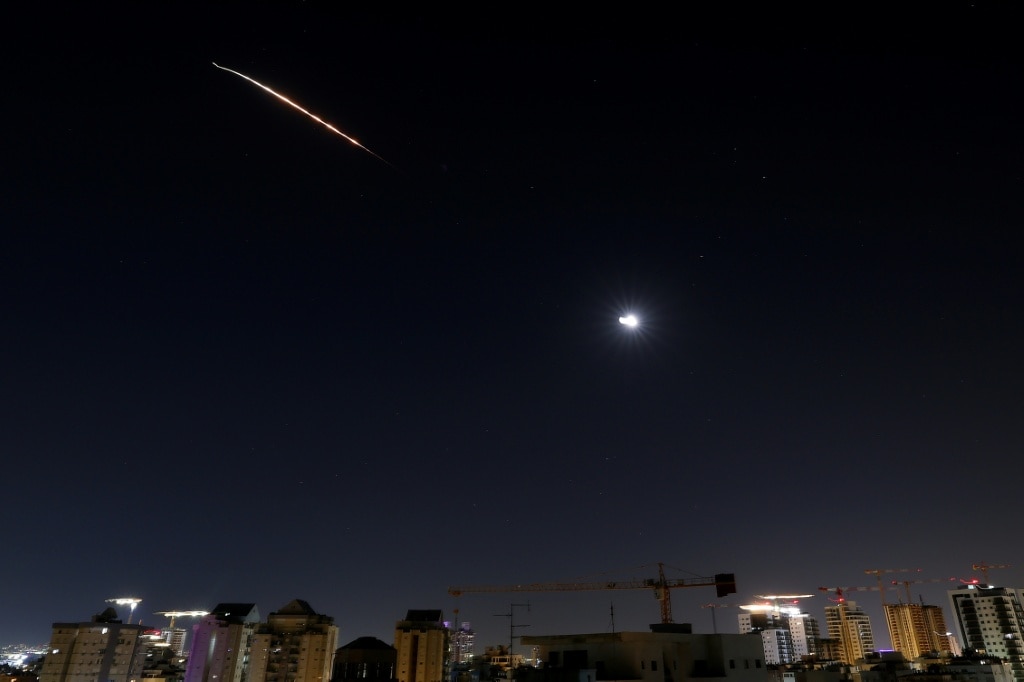
The strategic Strait of Hormuz has become the epicenter of a rapidly escalating global energy crisis following coordinated Iranian attacks on commercial shipping vessels. On Wednesday, three commercial ships sustained damage from projectile strikes in the Gulf waters, marking a significant escalation in regional hostilities that began with US-Israeli military actions against Iran in late February.
The conflict’s expansion into critical maritime channels has triggered dramatic fluctuations in global oil markets, with prices surging as much as 20% since hostilities commenced. The G7 nations convened an emergency virtual summit to address the growing crisis, with energy ministers announcing readiness to deploy strategic petroleum reserves to stabilize markets.
Maritime security agencies reported that a cargo vessel in the Strait of Hormuz required emergency evacuation after being struck by an unidentified projectile, while separate incidents involved a bulk carrier and container ship near United Arab Emirates territorial waters. These attacks occurred despite US military operations that reportedly destroyed 16 Iranian mine-laying vessels capable of threatening shipping traffic.
Pentagon officials expressed grave concerns about Iran’s substantial naval mine arsenal, estimated between 2,000-6,000 units, which could effectively blockade the vital waterway that facilitates 20% of global oil and gas shipments. Analysis from security think tanks indicates that naval escort missions would face persistent threats from Iranian missiles and drones, potentially making transit costs prohibitively expensive.
The human toll continues to mount, with Iranian health authorities reporting over 1,200 casualties and 10,000 injuries from ongoing strikes. Conflict has spread to proxy battlegrounds in Iraq and Lebanon, where Iranian-backed militias have suffered casualties and civilian displacement numbers reach hundreds of thousands.
Iranian leadership has remained defiant, with parliamentary speaker Mohammad Bagher Ghalibaf explicitly stating that Tehran is ‘not seeking a ceasefire.’ The country’s police chief warned that domestic dissent would be treated as enemy action, indicating heightened internal security measures amid the external conflict.
While the status of Iran’s leadership remains uncertain following the reported death of Ayatollah Ali Khamenei, presidential family members have asserted that designated successor Mojtaba Khamenei remains ‘safe and sound’ despite earlier reports of injuries.