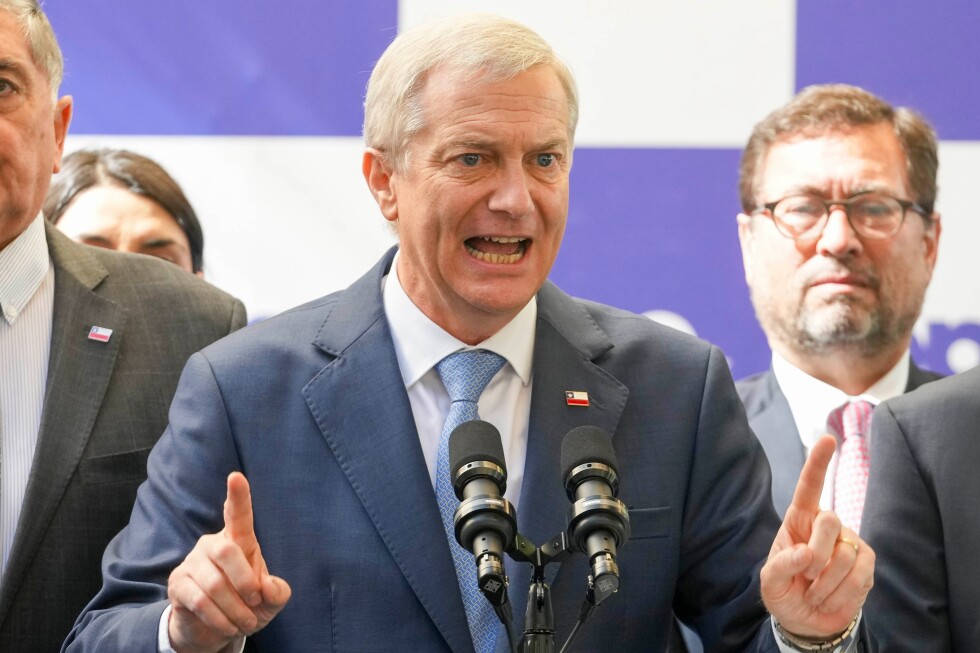
SANTIAGO, Chile — José Antonio Kast assumed Chile’s presidency on Wednesday, initiating the nation’s most dramatic conservative transformation since its democratic restoration in 1990. The Trump-inspired leader of the Chilean Republican Party secured a decisive December victory against communist contender Jeannette Jara, capitalizing on public demand for stringent crime prevention measures and controlled immigration policies.
The 60-year-old lawyer assumes power amid escalating great power competition in Latin America. Analysts note his administration faces immediate pressure to navigate between the United States seeking regional influence reassertion and China, which remains Chile’s primary trading partner. Mariano Machado, Verisk Maplecroft analyst, observes that “U.S.-China rivalry in Latin America has moved from rhetoric to implementation.”
Kast’s diplomatic orientation became evident through recent overtures to Trump’s administration, including praise for U.S. operations targeting former Venezuelan leader Nicolás Maduro. Tensions with outgoing President Gabriel Boric culminated in an unprecedented suspension of transition proceedings following disputes over a Chinese submarine cable project that drew vehement U.S. opposition.
The new president’s agenda reflects his alignment with regional right-wing leaders, evidenced by his participation in Miami’s “Shield of the Americas” summit alongside El Salvador’s Nayib Bukele and Argentina’s Javier Milei. University of Chile analyst Gilberto Aranda notes “a very significant alignment of Chile with directives emanating from Washington.”
Domestically, Kast’s victory signals a stark reversal from his 2021 runoff loss to Boric. While his previous opposition to abortion and same-sex marriage—coupled with favorable references to Augusto Pinochet’s legacy—proved politically untenable, his hardline security platform ultimately resonated with approximately 60% of voters. The electorate demonstrated heightened concern over organized crime surges and unfulfilled expectations from the previous administration.
Aranda identifies “a sense of emergency, particularly in security” as the defining theme of Kast’s governance framework, with immigration and economic concerns “framed within this narrative of social decline.” The president has pledged to emulate Bukele’s crime-fighting tactics, criminalize illegal immigration, intensify deportations, and install physical barriers along national borders.
Administrative challenges await Kast’s divided government, which must secure congressional cooperation for legislative priorities. Machado emphasizes that “volume, traction and clear direction in the first 100 days” will determine political establishment alignment. The abrupt transition suspension—an unprecedented democratic precedent—risks polarizing governance and complicating parliamentary negotiations from the outset.