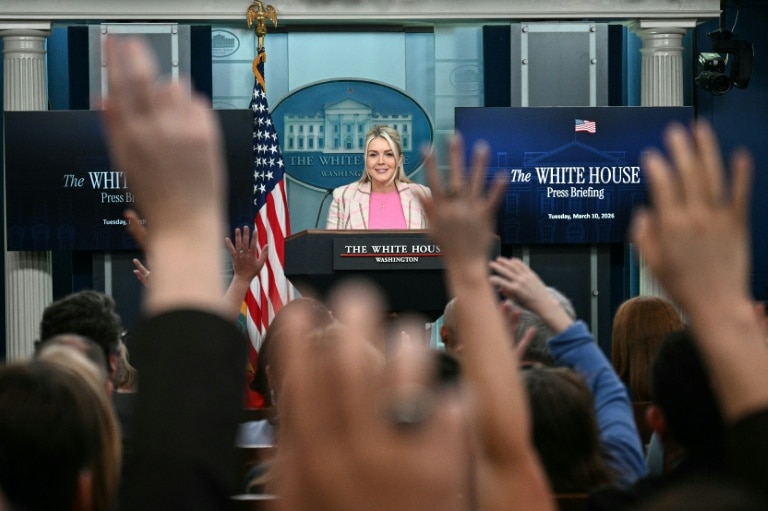
The White House has conveyed its dissatisfaction with potential intelligence collaboration between Russia and Iran during ongoing Middle Eastern hostilities, while maintaining diplomatic restraint toward Moscow. Press Secretary Karoline Leavitt stated Tuesday that President Trump would not be ‘happy’ if such intelligence sharing were confirmed, following Washington Post reports that Russia had provided Tehran with sensitive information including US naval and aircraft positions in the region.
Despite these allegations, the administration has adopted a measured response. President Trump characterized his Monday conversation with Vladimir Putin as constructive, noting the Russian leader’s desire to be ‘helpful’ in Middle Eastern matters—even as Putin offered ‘unwavering support’ to Iran’s new leadership.
In a related development, the US has temporarily suspended certain sanctions on Russian oil exports to India, citing global crude price surges resulting from the Iran conflict. Leavitt clarified that this waiver recognized New Delhi’s previous compliance with US sanctions and represented a temporary measure to address oil supply disruptions. She emphasized that the move wouldn’t provide ‘significant financial benefit to the Russian government at this time.’
Special Envoy Steve Witkoff, who has led US negotiations with both Russia and Iran, suggested taking Moscow at its word regarding intelligence sharing denials. When questioned about the apparent contradiction between alleged intelligence transfers and sanctions relief, Witkoff acknowledged his lack of intelligence expertise but noted Russia’s official denial during the presidential call.
The administration continues to navigate complex diplomatic waters as Trump maintains his distinctive approach to US-Russia relations, insisting his personal rapport with Putin remains crucial for potential negotiations regarding Ukraine.