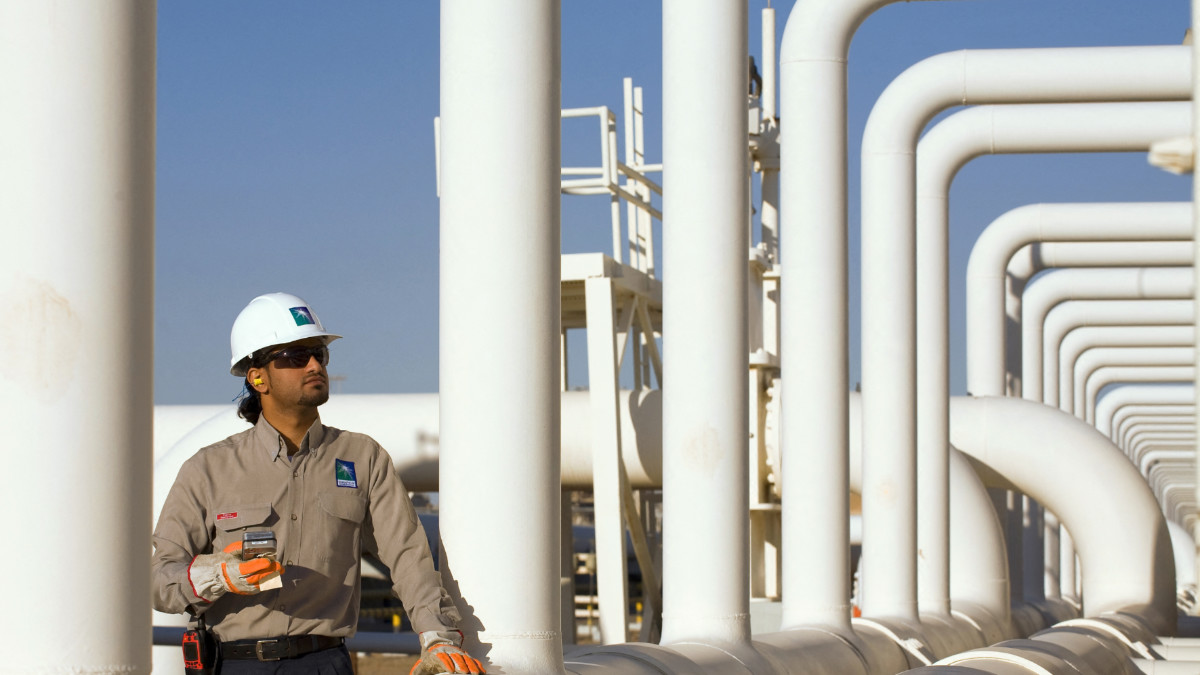
In a decisive response to Iran’s effective closure of the Strait of Hormuz, Saudi Arabia has initiated full operational deployment of its strategic East-West Pipeline, a critical infrastructure project originally conceived during 1980s Gulf tensions. Saudi Aramco CEO Amin Nasser confirmed the pipeline is achieving its maximum daily capacity of seven million barrels, providing crucial alternative routing for Gulf oil exports bypassing the blocked waterway.
The 750-mile pipeline, stretching from Abqaiq oil field to Yanbu port on the Red Sea, represents Saudi Arabia’s transformation into the producer of last resort during the current crisis. While providing economic relief to Saudi coffers and buying tactical time for US President Trump’s campaign against Iran, experts emphasize the system’s limitations. The Yanbu terminal can only handle approximately 4.5 million barrels daily—insufficient to compensate for the 18 million barrels of oil and 4 million barrels of refined products normally traversing Hormuz.
The market faces a compounded crisis: not merely a crude shortage but a critical deficit in refined products including diesel and jet fuel. Energy analyst Ellen Wald notes the pipeline cannot simultaneously fulfill crude export contracts and product demand, while Global Risk Management’s Arne Rasmussen identifies this as primarily a ‘distillate crisis’ particularly affecting European markets dependent on Middle Eastern refineries.
New vulnerabilities emerge as exports shift to the Red Sea, bringing Houthi forces into strategic consideration. Despite maintaining a fragile truce with Saudi Arabia, these Iran-aligned militants control access through the Bab el-Mandeb strait—a potential chokepoint for redirected shipments. Iran’s calibrated escalation, avoiding permanent damage to Saudi infrastructure while inflicting broader economic pain, demonstrates sophisticated conflict management that could change dramatically should Saudi Arabia directly enter the conflict.
With G7 nations debating strategic reserve releases and oil prices exhibiting extreme volatility, the East-West Pipeline provides temporary relief rather than comprehensive solution to a crisis threatening global economic stability.