NATO air defense systems have successfully intercepted multiple Iranian ballistic missiles entering Turkish airspace over the past week, according to Middle East Eye analysis. The incidents have raised serious concerns about potential targeting of critical NATO infrastructure in the region.
The first interception occurred near Hatay, approximately 100 kilometers east of Incirlik Air Base, a facility previously hosting U.S. military personnel. A second missile launched toward Turkey on Tuesday was neutralized by U.S. destroyers using RIM-161 Standard Missile-3 (SM-3) interceptors. NATO analysis indicates the missiles originated from east of Tehran, with open-source reports suggesting possible launches from the Revolutionary Guard’s Damghan missile base in Semnan province.
Turkish Foreign Minister Hakan Fidan conveyed strong objections to Iranian counterpart Abbas Araghchi, declaring ballistic missile incursions into Turkish territory ‘unacceptable.’ While Iranian leadership denied responsibility and suggested possible Israeli false-flag operations, Turkish experts point to Iran’s decentralized command structure following recent high-ranking official casualties as a potential factor in these unauthorized launches.
Strategic analysts believe the missiles may have been testing NATO’s air defense capabilities to assess vulnerabilities in the Kurecik radar base in Malatya. This facility hosts a TPY-2 X-band radar critical to NATO’s European Phased Adaptive Approach (EPAA) missile defense system. According to Center for Strategic and International Studies (CSIS) analysis, this radar represents the cornerstone of NATO’s air defense architecture, providing essential tracking data for Iranian missiles bound for Europe.
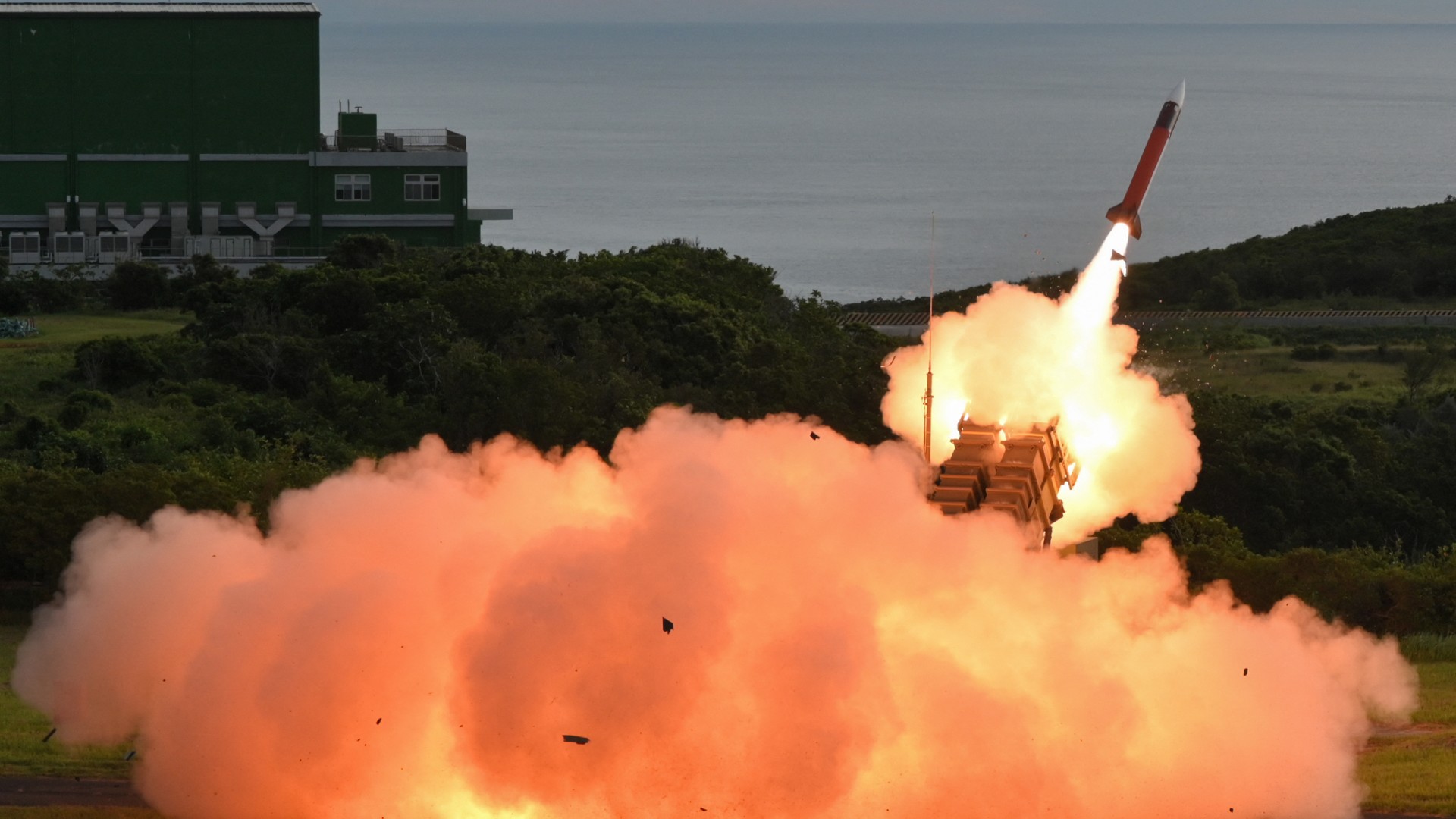
In response to these developments, NATO has deployed advanced PAC-3 Patriot missile systems from Germany’s Ramstein base to Malatya, upgrading from the insufficient PAC-2 models previously stationed in southern Turkey since 2015. These new systems will provide comprehensive coverage for eastern Turkey and the eastern Mediterranean, integrating with regional NATO assets for autonomous interception capabilities.
Defense experts note that Iran has previously targeted radar systems across the Gulf region, including facilities in Qatar, UAE, Jordan, Bahrain, Kuwait, and Saudi Arabia. The strategic positioning of Turkey’s TPY-2 radar makes it particularly vulnerable, as its failure would critically degrade NATO’s early warning capabilities against Iranian missile threats to Europe.