A comprehensive New York Times investigation has brought new evidence to light regarding the contested events surrounding a reported military strike on a structure adjacent to an elementary school in Minab, Iran, during the early stages of the Middle East conflict. The incident has sparked a complex web of accusations and denials among involved nations.
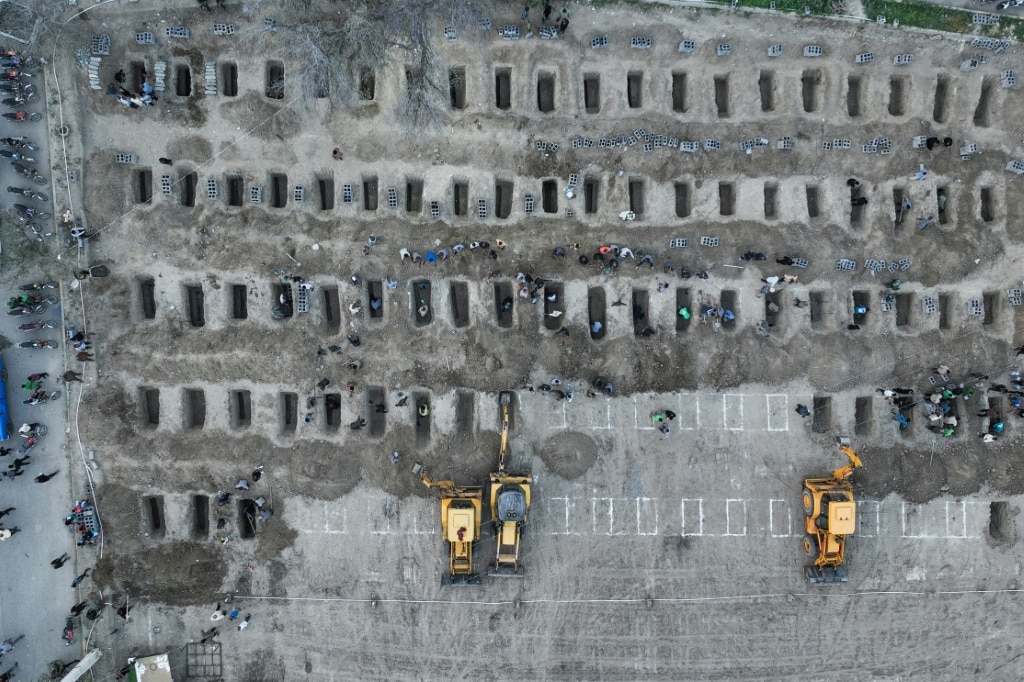
Iranian authorities have attributed the attack to a joint U.S.-Israeli operation, claiming the strike resulted in over 150 casualties, including numerous schoolchildren. State media broadcast emotional funeral scenes showing mourners grieving over white-shrouded bodies and flag-draped coffins, some containing photographs of children.
The New York Times analysis, incorporating authenticated video evidence, satellite imagery, and social media verification, indicates a precision strike damaged the Shajarah Tayyebeh elementary school building simultaneously with attacks on a nearby Revolutionary Guards naval base. The newspaper authenticated footage from Iran’s Mehr News Agency showing a U.S. Tomahawk cruise missile striking a clinic within the Guards’ base complex located adjacent to the educational facility.
U.S. Central Command released footage dated February 28—coinciding with the Minab incident—showing Tomahawk launches, with senior officers confirming early salvoes included Navy Tomahawks targeting Iran’s southern flank near the strategic Strait of Hormuz.
President Donald Trump asserted Iranian responsibility, suggesting Iran might have conducted the strike itself using inaccurate munitions, despite Iran not possessing Tomahawk missile capability. Secretary of State Marco Rubio stated the U.S. would not deliberately target educational institutions, emphasizing military objectives focused exclusively on missile capabilities.
Israeli military representatives denied awareness of any strike operation in the area, while Norwegian rights group Hengaw reported approximately 170 students were present during the school’s morning session when the alleged attack occurred.
Independent verification remains challenging as Iranian authorities restrict foreign media access outside Tehran, and AFP could not independently confirm casualty figures or verify the timing of circulated footage showing excavation equipment preparing mass graves.