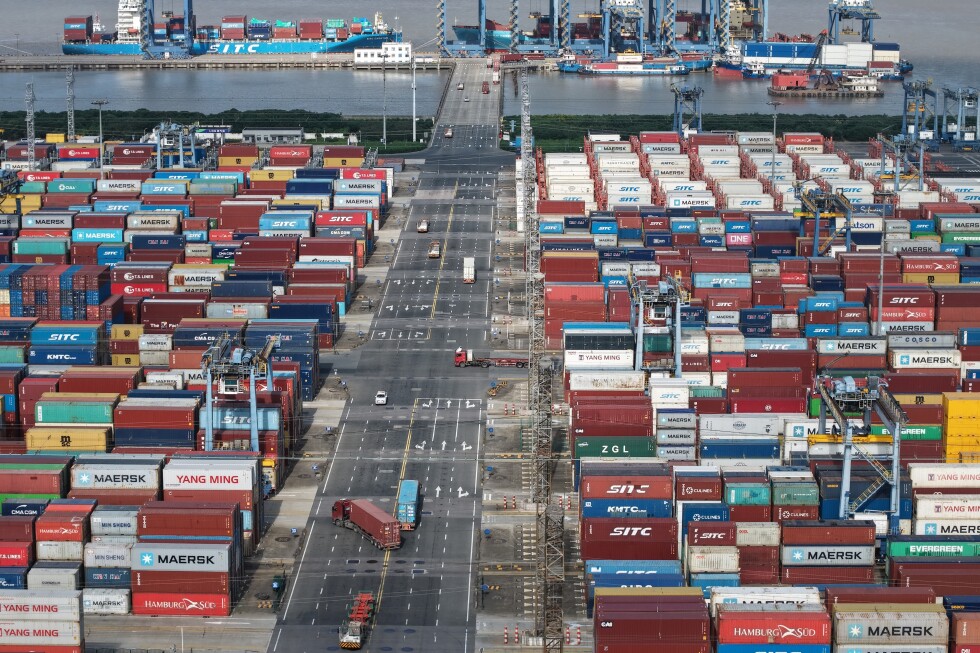
HONG KONG (AP) — China’s export sector demonstrated remarkable resilience in the opening months of the year, posting a substantial 22% year-on-year increase for the January-February period according to customs data released Tuesday. This performance significantly surpassed economist expectations and December’s 6.6% growth rate, indicating a stronger-than-anticipated trade momentum.
The import sector similarly showed vigor with a 20% expansion during the same period, up from December’s 5.7% increase. However, this overall growth masks a notable 27% decline in imports from the United States, reflecting ongoing trade tensions between the world’s two largest economies.
China’s export strategy has successfully diversified beyond American markets, with increased shipments to Europe and Latin America helping offset a 20% reduction in exports to the U.S. This geographical redistribution occurred amid former President Donald Trump’s imposition of widespread tariffs on global imports. The country’s trade surplus reached $213.6 billion for the two-month period, continuing a pattern of robust external trade performance.
The data compilation for January-February follows standard methodology to account for Lunar New Year holiday distortions. Despite domestic economic challenges including a prolonged property sector downturn that prompted Beijing to set a conservative 4.5-5% growth target for 2026, the export sector remains a bright spot.
Geopolitical factors including Middle East conflicts and potential disruptions to key shipping routes like the Strait of Hormuz present ongoing concerns for China’s energy security and trade stability. However, a recent U.S. Supreme Court ruling against Trump-era tariffs may provide modest support for Chinese exports, according to Bank of America economists.
Market observers are closely monitoring former President Trump’s anticipated Beijing visit in late March for potential developments regarding the October trade truce between the two nations.