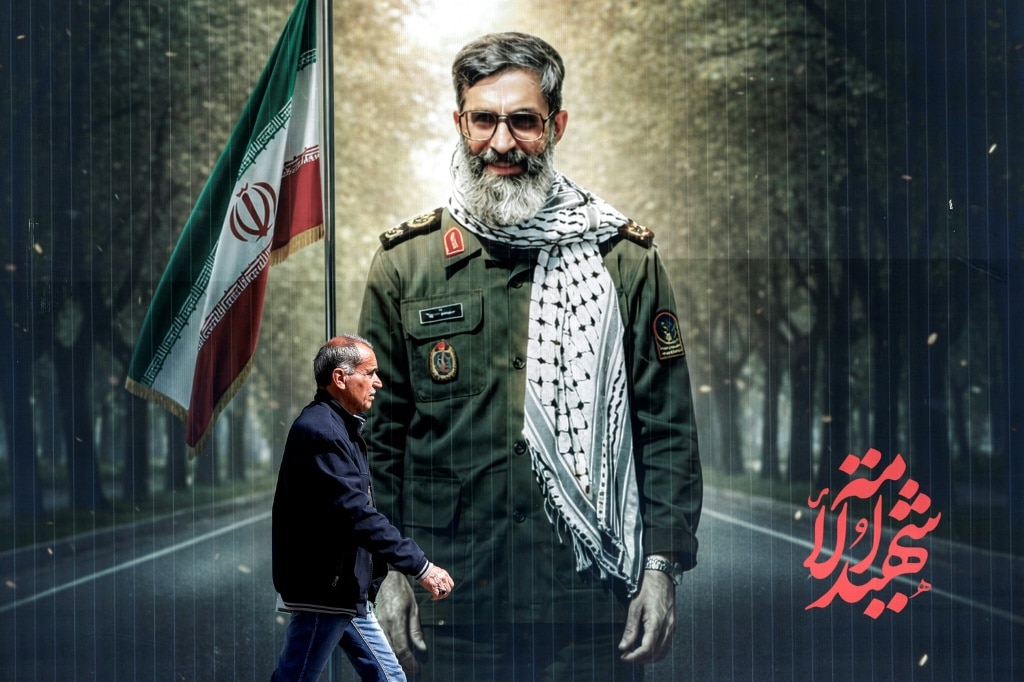
The ongoing Middle East conflict has become a testing ground for sophisticated AI-driven disinformation techniques that are fundamentally altering how warfare is perceived. Beyond completely fabricated content, a new category of manipulated imagery is emerging: authentic photographs that have been artificially enhanced to distort reality while maintaining a veneer of credibility.
A compelling case involves a widely circulated photograph depicting a kneeling US pilot confronted by a Kuwaiti local after parachuting from his aircraft. While the incident itself was verified through satellite imagery and video evidence, AI detection tools revealed the presence of Google’s SynthID watermark, indicating artificial enhancement. The most telling detail? The pilot appears with only four fingers on each hand—a common AI generation artifact.
According to Professor Evangelos Kanoulas, an AI expert at the University of Amsterdam, these enhancements subtly manipulate textures, facial expressions, lighting conditions, and background details. “This can strengthen a particular narrative about an event—for example, making a protest appear more violent, making a crowd appear larger, or making facial expressions more intense,” he explained.
Another verified example shows dramatic imagery from Erbil International Airport in Iraq following Iranian strikes on March 1. While the original photograph captured a genuine event, the AI-enhanced version exaggerated the scale of the fire and smoke while intensifying colors to create a more dramatic effect.
The boundary between enhancement and outright fabrication is becoming increasingly blurred. Professor James O’Brien of UC Berkeley’s Computer Science Department warned that “even little changes can end up telling a very different story and could change the perception of events.”
This phenomenon manifested disturbingly following the shooting of Alex Pretti in Minneapolis, where an AI-enhanced image based on genuine footage incorrectly transformed a phone in the victim’s hand into what appeared to be a weapon—fundamentally altering the narrative of the event.
As the Middle East conflict continues, experts express grave concerns about the erosion of public trust. Without proper labeling standards, AI-enhanced imagery not only spreads misinformation but also creates widespread skepticism toward authentic documentation. This dual effect—amplifying false narratives while undermining genuine evidence—represents a fundamental challenge to truth verification in modern conflict reporting.