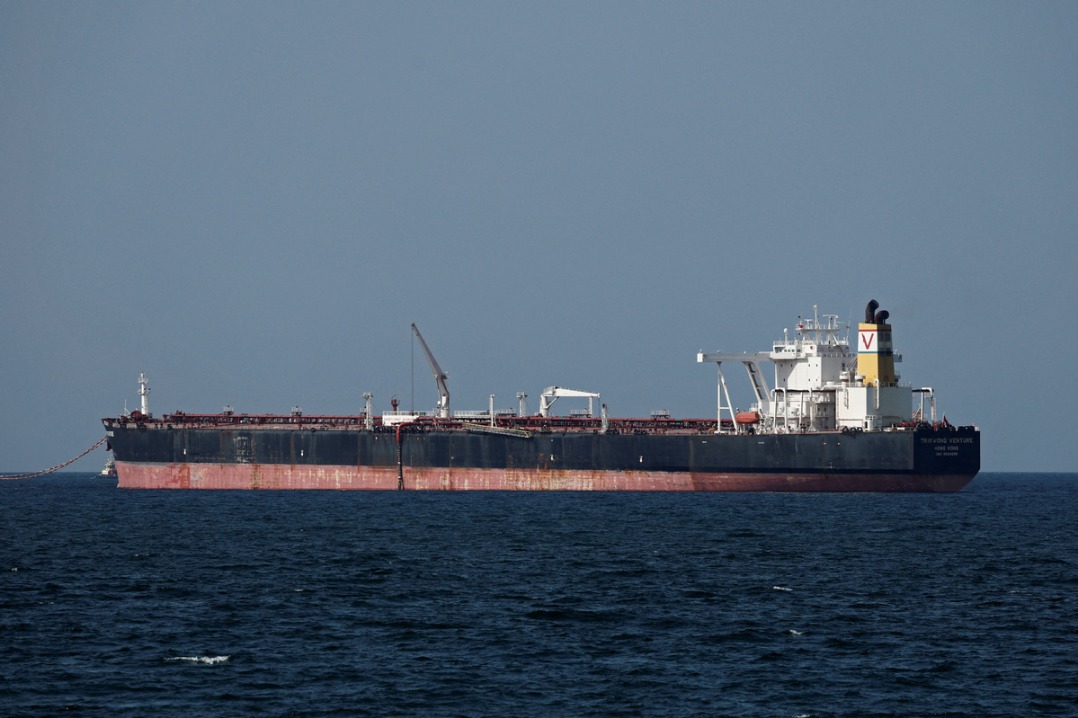
The Asia-Pacific region is confronting an imminent energy security crisis as crude oil prices surge past $120 per barrel, driven by escalating Middle East tensions and critical supply disruptions. Gulf producers including Kuwait, the United Arab Emirates, and Iraq have announced significant output cuts following the closure of the Strait of Hormuz—a vital maritime corridor for global oil shipments.
This price surge marks the first time Brent crude has exceeded $100 per barrel during Asian trading since July 2022, sending shockwaves through import-dependent economies. Governments across the region are implementing emergency measures to mitigate economic damage and ensure domestic energy stability.
South Korean President Lee Jae-myung has called for immediate price controls on domestic fuel and expansion of a 100 trillion won market stabilization fund. Vietnam’s Finance Ministry proposed eliminating tariffs on gasoline and oil products, while Philippine President Ferdinand Marcos Jr. seeks congressional emergency powers to reduce petroleum excise taxes.
Thailand has taken particularly drastic action, suspending all petroleum product exports, increasing mandatory oil reserve obligations for traders from 1% to 3%, and securing emergency imports from the United States and West Africa. Japanese Prime Minister Sanae Takaichi acknowledged the government is considering protective measures while maintaining the current fiscal budget framework.
Financial markets reacted violently to the crisis, with South Korea’s KOSPI plunging 5.96%, Japan’s Nikkei 225 dropping 5.2%, and Australia’s ASX 200 hitting one-month lows. Economic analysts warn the situation represents a ‘stagflationary shock’ that could severely impact regional growth prospects.
According to Priyanka Kishore of Asia Decoded, ‘Sustained high oil prices will negatively impact nearly all Asia-Pacific economies due to their continued significant reliance on oil imports, despite diversification efforts.’ Nomura analysts identified Thailand, South Korea, and India as particularly vulnerable due to their high net energy imports and concentration risk with Middle Eastern suppliers.
The crisis highlights the region’s persistent energy dependency, with Alicia Garcia-Herrero of Natixis noting that except for net exporters like Malaysia and strategically prepared China, soaring prices are ‘mostly terrible for everybody’ in the Asia-Pacific.