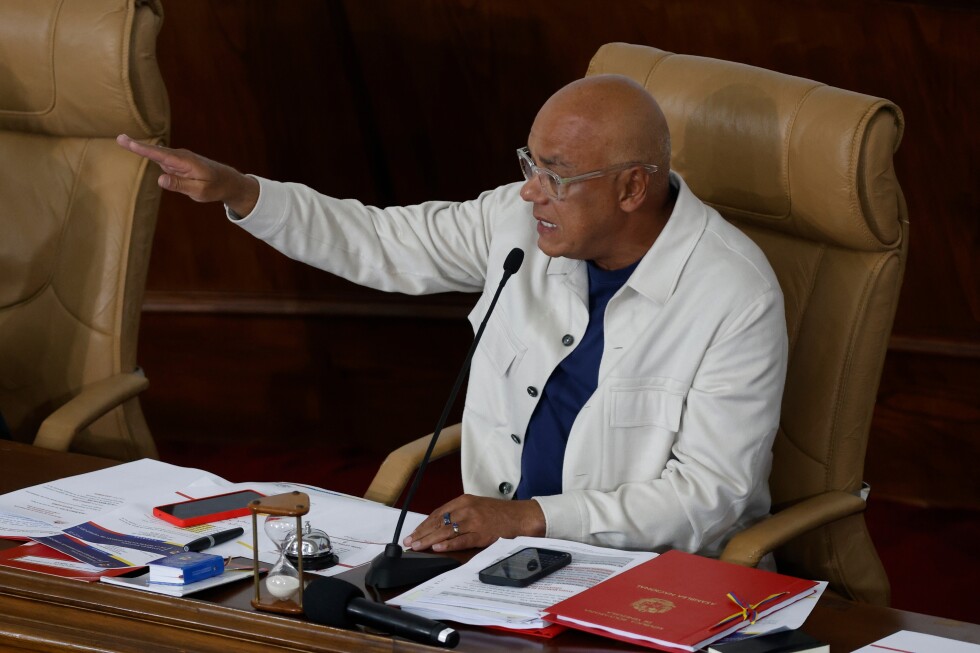
Venezuela’s National Assembly has initiated deliberations on comprehensive mining legislation designed to revitalize the nation’s mineral sector through foreign capital injection. The proposed bill, introduced by Acting President Delcy Rodríguez, represents a strategic shift from two decades of socialist resource nationalism by establishing investor protections and arbitration mechanisms previously eliminated during widespread expropriations.
The legislative move coincides with renewed diplomatic engagement between Caracas and Washington, highlighted by last week’s visit of U.S. Secretary of the Interior Doug Burgum. This diplomatic thaw occurs against the backdrop of global competition for critical minerals—including Venezuelan-abundant coltan, bauxite, and gold—essential for technological manufacturing and renewable energy infrastructure.
The proposed framework categorizes mining operations by scale, prohibits government officials from holding mining titles, and incorporates independent arbitration clauses to safeguard against asset seizures. These provisions mirror recent oil sector reforms that began reversing Venezuela’s nationalization policies.
Venezuela’s mineral wealth—spanning gold, copper, diamonds, and critical minerals like niobium and tantalum—has historically been exploited through informal operations plagued by safety violations and criminal involvement. The government’s 2016 establishment of a national mining development zone failed to curb illicit activities, with military and official collusion in illegal mining operations remaining widespread.
The U.S. Treasury recently authorized transactions with state-owned Minerven, signaling potential normalization of mineral trade. Rodríguez characterized the legislation as beneficial for social welfare, noting that restored international relations could generate employment opportunities while securing global mineral supply chains.