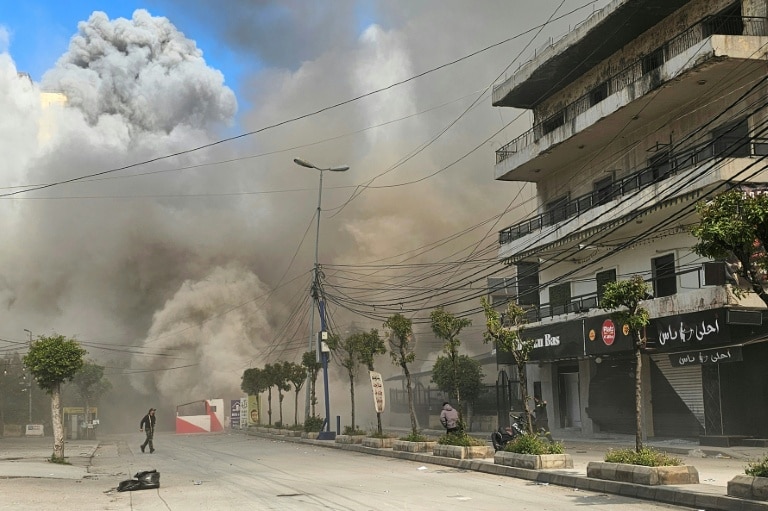
The protracted Middle East conflict has entered a perilous new phase, marked by a sharply escalating human cost and expanding geopolitical ramifications. Lebanese health authorities reported a devastating surge in casualties, with the death toll from Israeli strikes climbing to 486 and injuries reaching 1,313—a significant increase from previous figures that underscores the intensifying violence along the southern border.
The strategic landscape shifted further with Israel’s confirmed elimination of a key Hezbollah commander, Abu Hussein Ragheb, who headed the Iran-backed group’s Nasr unit in southern Lebanon. This targeted strike occurred amid renewed hostilities between Israeli forces and the Lebanese militant organization.
International responses multiplied as U.S. President Donald Trump prepared to address the nation from his Doral golf club near Miami, announcing his first press conference since authorizing strikes against Iran. The White House indicated the administration was reviewing “all credible options” regarding oil prices, which breached the $100-per-barrel threshold—a psychological marker not seen since Russia’s invasion of Ukraine—before retreating slightly.
The political dimension deepened as Hezbollah pledged formal allegiance to Iran’s newly appointed supreme leader, Mojtaba Khamenei, who succeeded his father following the elder Khamenei’s death during initial U.S.-Israeli attacks. President Trump expressed dissatisfaction with the new leadership but declined to specify his administration’s approach, simply telling the New York Post: “Not going to tell you. I’m not happy with him.”
Lebanese President Joseph Aoun delivered a startling condemnation of Hezbollah, accusing the group of deliberately working toward state “collapse” to serve Iranian interests. In virtual discussions with European officials, Aoun asserted that recent missile launches were designed to “plunge Lebanon into aggression and chaos… all for the sake of the Iranian regime’s calculations” and called for direct negotiations with Israel to halt the warfare.
The humanitarian tragedy continued unfolding as state media confirmed an Israeli tank attack killed a priest in the Christian community of Al-Qlayaa in southern Lebanon. Meanwhile, Trump announced Australia had granted asylum to several members of Iran’s women’s football team who refused to sing their national anthem in protest against the Islamic republic, though some players reportedly feared returning home due to family safety concerns.
Global economic and security implications widened as Iran’s security chief, Ali Larijani, declared the strategic Strait of Hormuz—a vital corridor for global energy shipments—could not be secured while conflict raged. European leaders responded with plans to enhance maritime operations, with French President Emmanuel Macron announcing preparations for a “purely defensive” mission to reopen the critical waterway once active combat diminishes.
The United Arab Emirates distanced itself from the conflict, emphasizing it would “not partake in any attacks against Iran” while decrying what it characterized as unwarranted targeting. NATO confirmed intercepting a ballistic missile fired from Iranian territory into Turkish airspace—the second such incident within days—prompting Turkish President Recep Tayyip Erdogan to caution Tehran against “provocative steps.”