Global energy markets experienced significant turbulence on Monday as escalating Middle East hostilities sent oil prices soaring near $120 per barrel before moderating. The international benchmark Brent crude surged to $119.50 during early trading sessions, while West Texas Intermediate reached comparable heights, both ultimately settling approximately 9% higher above $101 per barrel.
The price fluctuations followed strategic deliberations among G7 nations regarding potential releases from emergency petroleum reserves. French President Emmanuel Macron initially suggested coordinated action among industrialized powers to stabilize markets, though the group subsequently deferred such measures. French Finance Minister Roland Lescure confirmed the G7 remains prepared to implement ‘necessary and coordinated steps’ should market conditions require intervention.
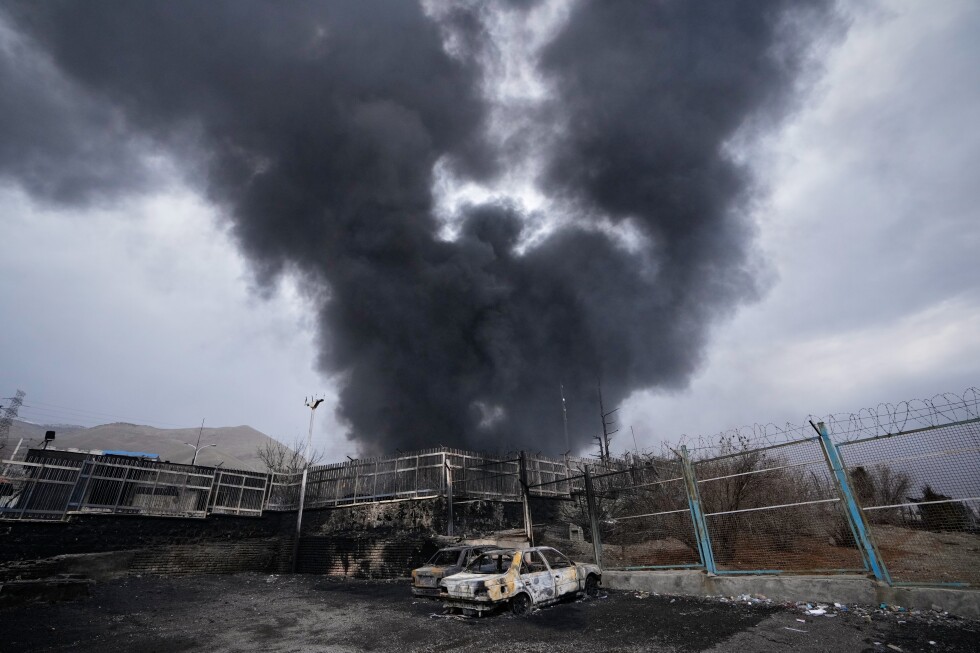
Geopolitical tensions intensified with Iran’s appointment of hard-line Ayatollah Mojtaba Khamenei as supreme leader, signaling continued resistance against Western military actions. The conflict’s expansion into critical energy infrastructure has severely disrupted regional operations, including Bahrain’s desalination plant and refinery complex damaged by alleged Iranian strikes, prompting force majeure declarations on oil shipments.
The strategic Strait of Hormuz, conduit for approximately 20% of global oil shipments (15 million barrels daily), has effectively ceased operations due to security concerns. Major producers including Iraq, Kuwait, and the UAE have reduced output as storage capacity reaches limits amid export constraints.
Asian economies face particular vulnerability given their heavy reliance on Middle Eastern energy imports. China, primary recipient of Iran’s 1.6 million daily barrel exports, emphasized energy security priorities through Foreign Ministry spokesman Guo Jiakun. South Korea implemented anti-hoarding measures while Southeast Asian nations reported fuel shortages and extended queues at filling stations.
Financial markets reflected broader economic anxieties, with South Korea’s Kospi index declining 6% and U.S. gasoline prices rising nearly 50 cents per gallon weekly. The current price levels recall early 2022 patterns following Russia’s Ukraine invasion, renewing concerns about inflationary pressures and consumer spending impacts across global economies.