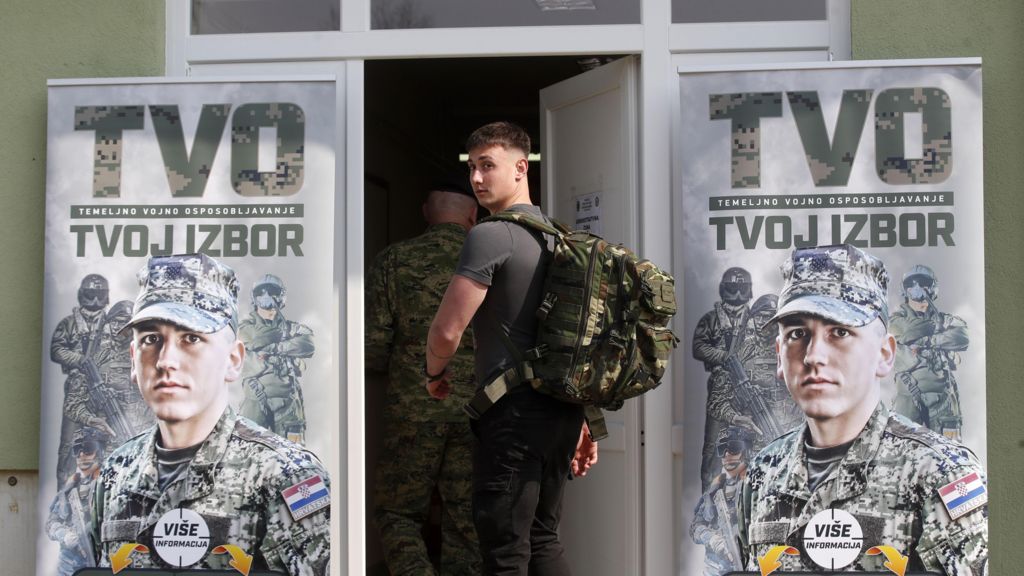
Croatia has officially resumed compulsory military service for the first time since its abolition in 2008, with an initial cohort of 800 recruits reporting for duty. Remarkably, more than half of these individuals volunteered proactively rather than awaiting formal conscription notices. The group includes a significant female participation rate of 10%, despite no legal obligation for women to serve.
The training program will be conducted across three strategically located barracks, with recruits assigned to facilities nearest their residences. For the next two months, participants will undergo intensive military conditioning, receiving standardized kit and dormitory accommodations. Chief of the General Staff Tihomir Kundid acknowledged the disruptive nature of transition from civilian life while assuring careful handling of new recruits. “We will acclimatize them step by step to minimize stress,” he stated, noting minimal mobile phone restrictions except during training exercises.
The conscription revival stems directly from regional security concerns amplified by the Ukraine conflict. With only Hungary separating Croatia from the war zone, Defense Minister Ivan Anusic cited fundamentally altered circumstances: “The situation in Croatia and our neighborhood was stable. Right now, it’s completely different.” He referenced four years of Russian aggression and proxy activities throughout Europe.
Croatia’s decision reflects broader Balkan militarization trends. Serbia has announced plans to reintroduce conscription within twelve months while significantly increasing defense expenditures. Slovenia’s largest opposition party advocates similar measures ahead of parliamentary elections. This regional arms race has heightened tensions in Kosovo and Bosnia, with Serbia expressing alarm over Croatia’s new military alliance with Kosovo and Albania.
Analyst James Ker-Lindsay specializing in Balkan conflicts warned: “Any military development in the Balkans makes the region less secure as everyone interprets it as being aimed against them. When Croatia buys arms, Serbia responds in kind.
Conscientious objectors remain minimal with only ten registrations to date. These individuals will undertake four months of civilian service receiving less than half the €1,100 monthly allowance granted to military recruits.
The training curriculum promises dynamic engagement combining traditional warfare techniques with modern cybersecurity protocols, drone operation, and counter-drone technologies. Croatia joins nine other NATO members including Greece, Turkey, and Baltic states in maintaining mandatory military service, with plans for three additional intakes this year targeting 4,000 annual recruits thereafter.