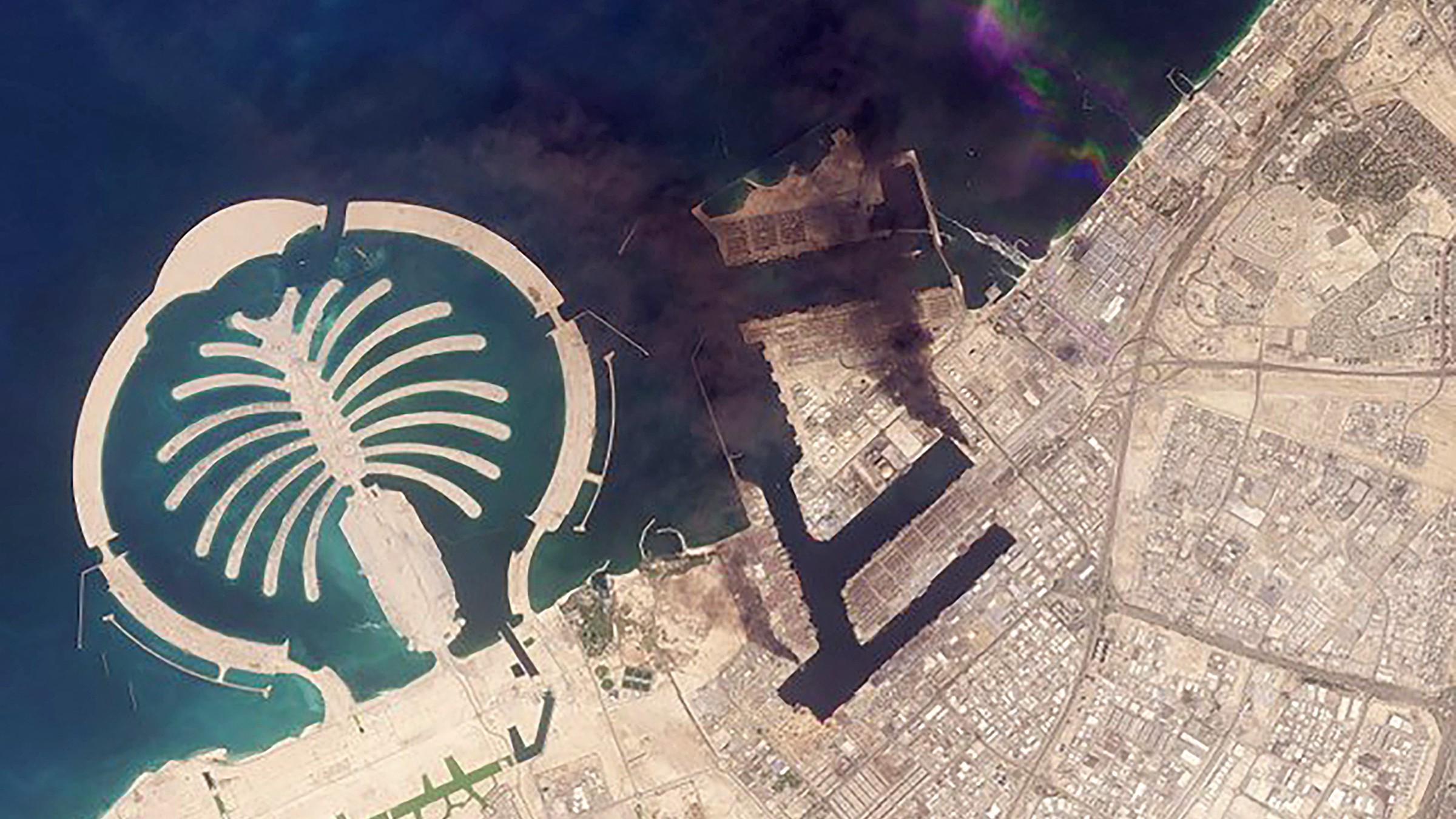
Following a series of missile and drone assaults by Iran, Gulf Cooperation Council nations are actively recruiting specialized private military technicians and operators to address critical vulnerabilities in their air defense networks, according to industry sources familiar with the matter.
The attacks, which targeted strategic military installations, energy infrastructure, and urban centers across the United Arab Emirates, Bahrain, Kuwait, and Qatar in late February, have prompted a comprehensive reassessment of regional defense capabilities. The effectiveness of Iranian-designed Shahed drones, characterized by their small radar cross-section and low-altitude flight capabilities, has exposed limitations in existing air defense systems.
While these nations maintain advanced defense platforms including Terminal High Altitude Area Defense (THAAD) systems and Patriot batteries with PAC-3 MSE interceptors, the attacks revealed specific gaps in counter-drone operations. Military analysts note that only integrated, layered defense architectures can effectively neutralize these low-cost aerial threats.
Recruitment efforts now prioritize radar operators, electronic warfare specialists, ground maintenance crews, and security personnel with operational experience. There is particular demand for pilots capable of operating within sophisticated air defense environments. These requirements are being communicated through intermediaries to private military firms with relevant expertise.
A significant shift in hiring preferences has emerged, with Gulf states seeking personnel from Muslim-majority nations including Pakistan and Egypt, moving away from traditional Western military advisers. This strategic reorientation follows assessments that American and British contractors provided insufficient protection against recent threats.
Industry sources characterize these measures as proactive rather than reactive, emphasizing long-term capability development over immediate solutions. The search includes specialists compatible with kill-web systems—integrated networks combining intelligence and warfare capabilities across multiple domains—as well as secondary systems interoperable with existing U.S. platforms.
Training considerations are paramount, with emphasis on recruiting personnel requiring minimal additional instruction due to the urgent timeframe. This approach acknowledges both the high cost and extended duration needed to develop specialized skills from initial training stages.
The transition reflects broader regional concerns about the scope and reliability of American security guarantees, prompting Gulf nations to develop more autonomous defense capabilities in an increasingly volatile security environment.