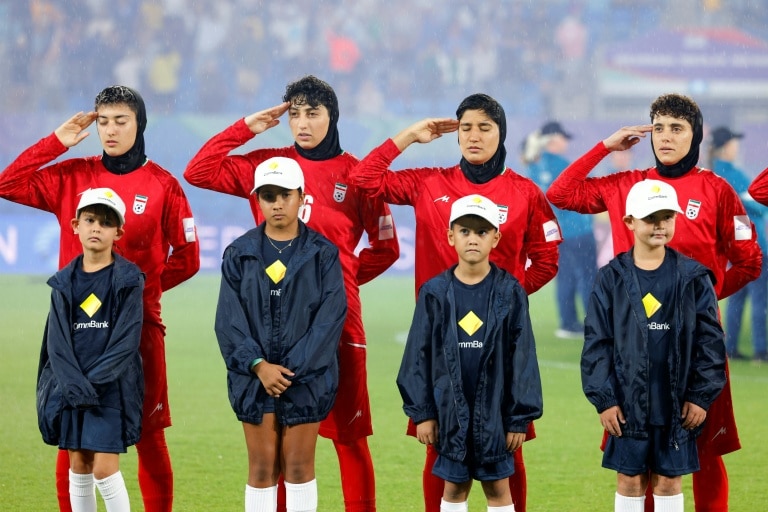
Growing international pressure is urging Australian authorities to provide asylum protections for Iran’s women’s national football team following their silent protest during the national anthem at the AFC Women’s Asian Cup. The players’ refusal to sing before their March 8, 2026 match against Philippines in Gold Coast has been widely interpreted as an act of defiance against Tehran’s Islamic regime.
Reza Pahlavi, son of Iran’s last Shah and prominent opposition figure, has joined politicians, human rights activists, and author J.K. Rowling in calling for Australia’s intervention. From his US base, Pahlavi warned that team members face “significant pressure and ongoing threat” from Iranian authorities and urged the Australian government to “ensure their safety and give them any and all needed support.”
The protest occurred during heightened tensions as the US and Israel initiated military actions against Iran. Iranian state television subsequently branded the athletes as “wartime traitors,” escalating concerns about their safety upon potential return.
Local media documented dramatic scenes outside Gold Coast stadium where supporters gathered chanting “regime change for Iran” and “save our girls.” Protesters later surrounded the team bus demanding freedom for the players.
While Australian Foreign Minister Penny Wong stated the country “stands in solidarity” with the Iranian people, Canberra has remained noncommittal regarding specific asylum provisions. Amnesty International campaigner Zaki Haidari expressed grave concerns, suggesting team members likely have family members threatened in Iran and could face severe punishment upon return.
Despite constant monitoring, Haidari noted the team might have a “small window of opportunity” to seek asylum at Australian border points. The Iranian embassy in Australia has not responded to requests for comment regarding the situation.