DAKAR, Senegal — Guinea’s political landscape faces unprecedented consolidation as the military-led government dissolved 40 political organizations through presidential decree on Friday, triggering accusations of authoritarian overreach from the nation’s primary opposition leader. The Ministry of Territorial Administration and Decentralization justified the mass dissolution citing the parties’ “failure to meet their obligations,” effectively revoking their legal status and prohibiting all political activities including the use of names, logos, and symbols.
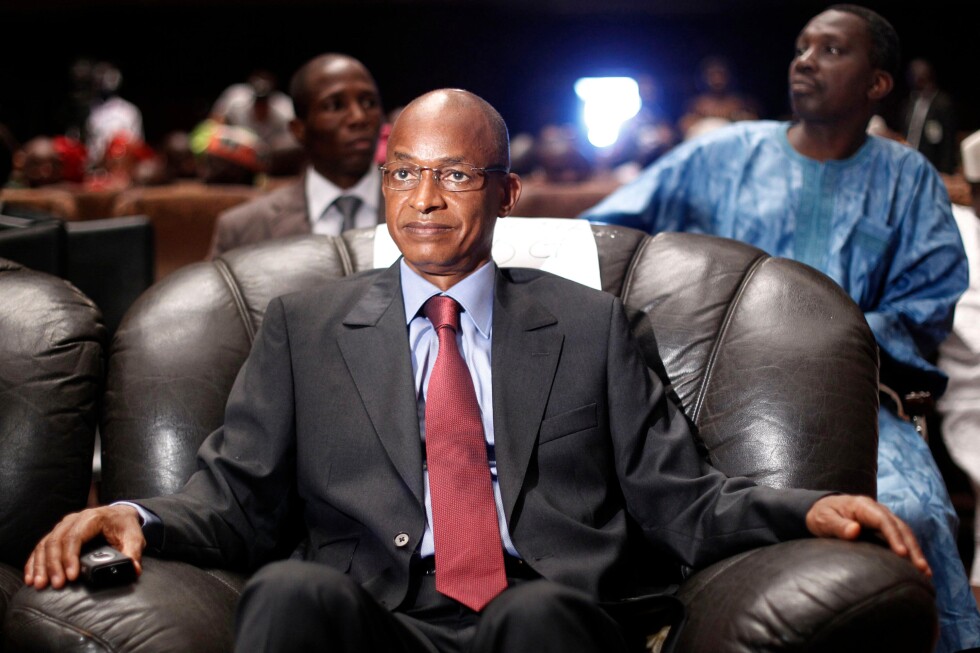
Cellou Dalein Diallo, leader of the now-disbanded Union of Democratic Forces of Guinea (UFDG), delivered a forceful condemnation via social media on Sunday. In a video address circulated on Facebook, Diallo accused President Mamadi Doumbouya of systematically constructing a single-party state by eliminating political rivals. “I urge the leaders, activists and supporters of the UFDG, and all Guineans who cherish liberty and justice, to rise as one and use every means to bring an end to this exceptional regime that has lasted far too long,” declared Diallo, asserting that conventional dialogue and legal channels had become ineffective avenues for political transformation.
The dissolved parties include three major opposition groups: Diallo’s UFDG, the Rally of the Guinean People (associated with exiled former President Alpha Condé), and the Union of Republican Forces led by opposition figure Sidya Touré. Notably, all three leaders currently reside in exile following previous government actions.
This development represents the latest escalation in Guinea’s political repression since Doumbouya assumed power through a 2021 military coup. The colonel-turned-president secured electoral victory in December following a voting process that excluded all major opposition candidates. His administration has previously suspended multiple political organizations and media outlets while arresting or exiling numerous opposition leaders and civil society representatives.
The targeted parties had initially been suspended in August ahead of a constitutional referendum that enabled the junta leader to pursue presidential candidacy. Authorities cited non-compliance with Guinea’s political parties charter as justification for both the initial suspension and subsequent dissolution.
Guinea’s political turmoil reflects broader regional instability, joining several West African nations that have experienced military coups or attempted power grabs since 2020. Military leaders throughout the region have capitalized on public dissatisfaction with security deterioration, economic underperformance, and contested elections to justify seizures of power.