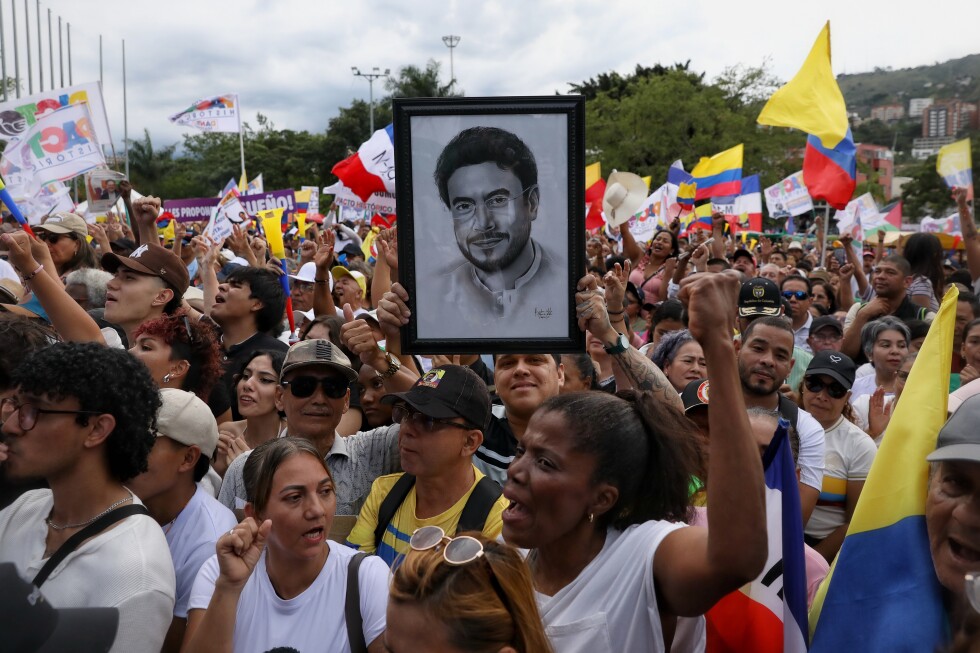
Colombians are participating in critical congressional elections on Sunday that will shape the nation’s political trajectory ahead of May’s presidential contest. The electoral process unfolds under heightened security measures due to concerns about political violence, particularly in rural areas where illegal armed groups maintain influence.
President Gustavo Petro, Colombia’s first leftist leader, has raised questions about the integrity of election software, referencing discrepancies in the 2022 legislative elections where his Historic Pact movement gained significant votes after a recount. The European Union has deployed 40 election observers since early February, with plans to expand its monitoring delegation for the congressional vote.
Over 3,000 candidates are competing for 285 legislative positions—102 Senate seats and 183 House of Representatives spots—with approximately 41.2 million eligible voters. The outcome will determine the legislative landscape for Colombia’s next administration as Petro is constitutionally barred from consecutive reelection.
The current Congress had a mixed record with Petro’s administration, approving his pension and labor reforms while rejecting proposed healthcare and tax overhauls. The right-wing opposition, led by former President Álvaro Uribe’s Democratic Center party, seeks to reestablish its political dominance through these elections.
Simultaneously, voters will select presidential candidates from three major political coalitions (center, center-left, and right) through primary-style inter-party consultations. While these primaries have traditionally served as crucial testing grounds for presidential hopefuls—as demonstrated by Petro’s successful 2018 strategy—the current frontrunners in polls are bypassing the optional process.
Political analyst Gabriel Cifuentes notes that primary victories only matter if they demonstrate sufficient strength to compete with leading candidates like leftist Iván Cepeda (from Petro’s party) and far-right contender Abelardo de la Espriella. Authorities have deployed more than 126,000 security personnel nationwide to ensure safety during the elections.