In a significant demonstration of China’s evolving democratic mechanisms, Shanghai National People’s Congress deputy Sheng Hong has emerged as a pivotal advocate for enhanced public participation in legislative processes. Serving as Party secretary of a residential compound in Hongqiao subdistrict, Sheng represents one of China’s pioneering grassroots legislative contact points established by the NPC Standing Committee’s Legislative Affairs Commission in 2015.
These contact points, which have expanded to 60 nationwide as of December 2025, function as critical conduits between ordinary citizens and China’s highest legislative body. The Hongqiao subdistrict facility alone has reviewed 117 draft bills spanning environmental protection, urban governance, livelihood security, and ethnic unity, submitting approximately 5,800 suggestions with over 430 receiving official adoption.
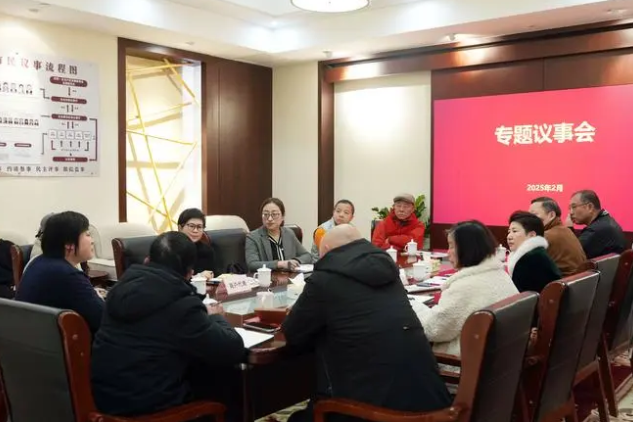
The legislative process involves comprehensive consultation meetings that bring together grassroots government units, social stakeholders, and subject matter experts. A recent gathering focused on draft legislation regarding childcare services featured representatives from local government departments, childcare institutions, kindergartens, legal professionals, and policy experts.
Sheng, with 14 years of community service experience, emphasizes her role as a governmental liaison who systematically collects and channels public opinion to national legislative bodies. “From understanding legislation to participating in it and then promoting it, residents have formed a broad network of public opinion,” she noted, highlighting how participatory processes strengthen democratic engagement and public satisfaction.
During the current political sessions, Sheng has proposed institutional enhancements for collecting and responding to public opinions, advocating for more effective feedback mechanisms that transform public suggestions into governance measures. She has additionally recommended strengthened internet protection for minors, including clear content grading systems, restricted social features for children under 8, and usage limitations for users under 16.
Her previous recommendation regarding optimized outdoor seating arrangements for small restaurants and cafes, aimed at stimulating consumption, has already yielded tangible results with Shanghai implementing corresponding regulatory frameworks.
This grassroots legislative model exemplifies what Sheng characterizes as “whole-process people’s democracy,” extending beyond statutory language to actively cultivate democratic capabilities and awareness among citizens.