In the vast expanse of Kuwait’s Burgan oilfield—the world’s second-largest—patches of green vegetation now emerge following seasonal rains, representing far more than natural regeneration. These fragile sprouts symbolize a remarkable environmental recovery from one of history’s most devastating ecological disasters: the 1991 Gulf War oil catastrophe.
When retreating Iraqi forces ignited nearly 700 oil wells three decades ago, they created apocalyptic conditions that persisted for months. Daylight vanished beneath smoke clouds, nights glowed with burning wells, and approximately one-third of Kuwait’s territory became contaminated. The resulting ‘oil lakes’—massive pools of crude—poisoned groundwater and transformed fertile desert into toxic wasteland.
The turning point arrived in 2019 when Kuwait launched a global initiative to address this enduring environmental crisis. Among the international respondents was Hangzhou Zaopin ST Co Ltd, a Chinese environmental technology startup specializing in microbial remediation. Despite lacking prior international experience, the company possessed decade-refined proprietary technology developed through partnerships with China’s leading universities.
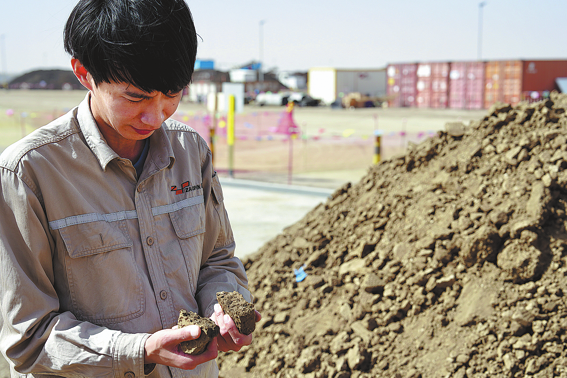
Zaopin’s breakthrough involved identifying and bioengineering specific bacterial strains from Kuwait’s oil sludge into highly efficient petroleum-degrading microorganisms. At operational sites within Burgan field, specialized vehicles now churn contaminated soil while sprinklers distribute these tailored microbial solutions. This process reduces oil content from 5% to below 1% within three months—meeting Kuwait’s stringent environmental standards.
For heavily contaminated areas, Zaopin deployed secondary soil washing technology utilizing heat, chemical agents, and mechanical separation. This method not only cleanses the soil but recovers reusable crude oil, transforming environmental liability into economic opportunity.
The project’s quantifiable success includes treatment of over 5 million tons of contaminated soil and recovery of 150,000 barrels of crude oil. Additional Chinese firms like Jereh Group have joined the effort, introducing pyrolysis systems that process the most contaminated sludge at 300-600°C while recovering high-quality crude.
Kuwaiti officials initially expressed skepticism about these unconventional methods. Mohammad Khalaf, senior engineer at Kuwait Oil Company, admitted: ‘I didn’t believe the Chinese soil washing method would work. But they overcame every technical challenge. Now I trust them 110 percent.’
The collaboration’s significance extends beyond technical achievement—it represents ecological restoration previously considered impossible. As Zaopin founder Dai Baiping reflects: ‘We’re not just fixing soil. We’re helping bring back a desert ecosystem that was written off as lost.’