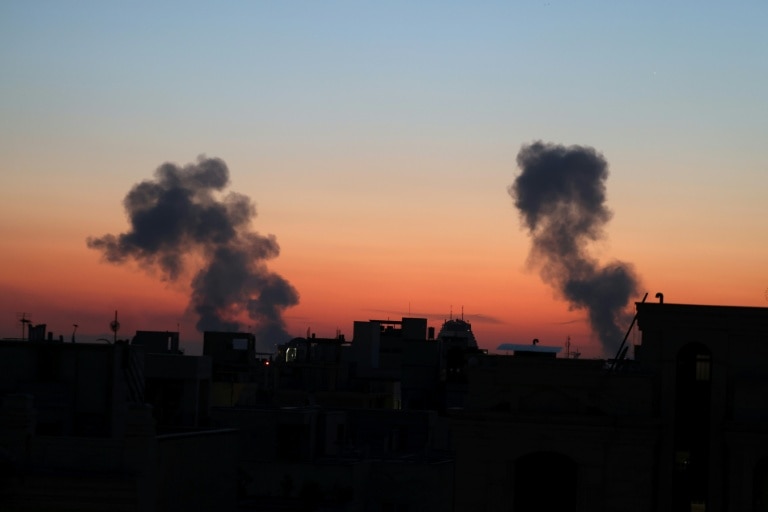
Global financial markets are experiencing significant volatility following the escalation of military conflict in the Middle East, with energy prices surging and equity markets declining sharply across multiple continents. The confrontation between US-Israeli forces and Iran, along with Tehran’s retaliatory strikes across the Gulf region, has severely disrupted shipping through the critical Strait of Hormuz—a vital transit route for approximately 20% of global oil and liquefied natural gas supplies.
The immediate economic impact has been dramatic: European natural gas prices have skyrocketed by 66% since last week, while international benchmark Brent crude oil surged beyond $90 per barrel, representing a more than 25% price increase. This energy shock has raised serious concerns about renewed inflationary pressures and potential slowdowns in the global economy.
Equity markets have responded with substantial losses worldwide. European markets have declined significantly, with London’s FTSE losing approximately 6%, while Frankfurt and Paris indices dropped over 7%. Asian markets experienced even steeper declines, with Tokyo falling 5.5% and Seoul plunging 10.6% following a record 12% single-day drop earlier in the week.
Market analysts note this crisis represents the latest in a series of extraordinary events that financial markets have navigated in recent years, including the COVID-19 pandemic, the Ukraine conflict’s disruption of energy and food supplies, and previous tariff offensives.
The US dollar has emerged as an unexpected beneficiary of the turmoil, gaining 2.2% against the euro as investors seek safe-haven assets. Interestingly, traditional safe havens like gold have underperformed, declining 3.6% over the past week.
Government bonds, typically another refuge during market stress, have instead seen rising yields. Ten-year US Treasury yields increased from 4.0% to 4.14%, while Germany’s benchmark bund yields rose from 2.6% to 2.9%. This counterintuitive movement reflects investor concerns that central banks may delay interest rate cuts in response to mounting inflationary pressures.
Some analysts caution that prolonged conflict could raise the specter of stagflation—a combination of economic stagnation and inflation reminiscent of the 1970s oil crisis. However, others note fundamental differences in today’s economy, including reduced oil dependency and more resilient corporate supply chains. The relative outperformance of US markets, with the Dow declining approximately 3% compared to steeper losses elsewhere, reflects America’s status as a net energy exporter and its relative insulation from energy import disruptions.