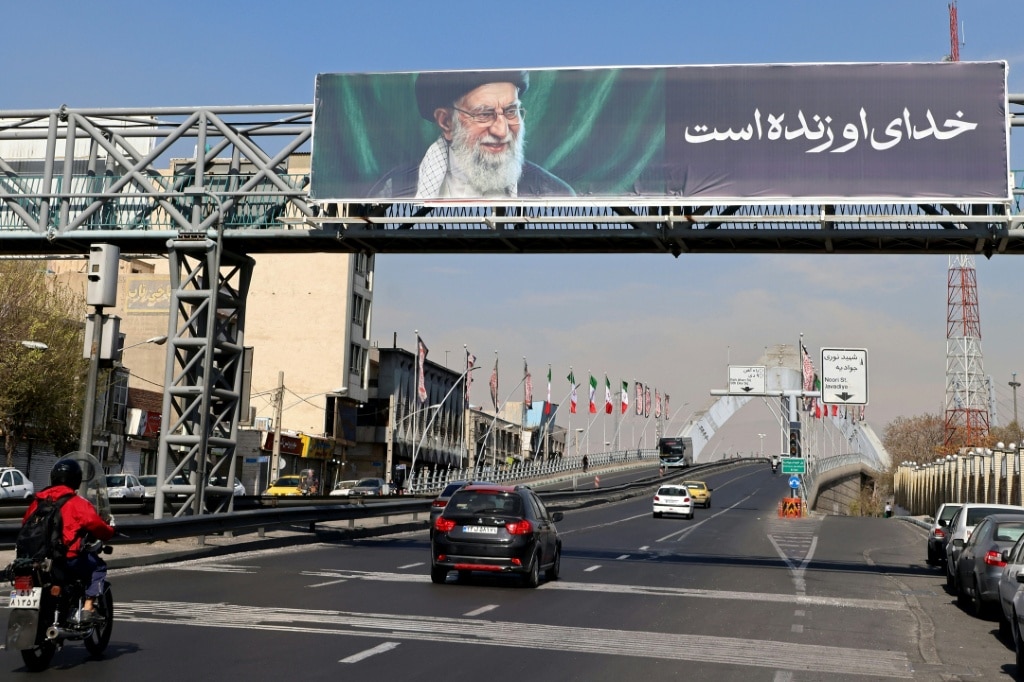
Across the diverse landscapes of Iran, from the northwestern region of Kurdistan to the southern port city of Bandar Abbas and the capital of Tehran, citizens are grappling with the multifaceted challenges of life amidst ongoing military conflict. The persistent threat of aerial bombardment, coupled with severe economic strain and a palpable climate of fear, is defining daily existence for millions.
In the city of Bukan, located in Iranian Kurdistan, the immediate aftermath of strikes is visible. Reza, a 36-year-old cafe owner, describes a scene of devastation near his establishment, with government and Revolutionary Guards buildings destroyed. Despite the proximity to danger, a sense of grim normalcy persists; patrons even seek outdoor seating to observe the bombardments. This resilience, however, is tempered by a severe liquidity crisis. Banks have ceased cash distributions and blocked numerous cards, prompting acts of community solidarity like Reza’s offer of free coffee to those unable to pay.
The economic repercussions are acutely felt nationwide. From Bandar Abbas, reports indicate a halt to work and soaring inflation, with essential goods like cooking oil experiencing price increases exceeding 500%. This scarcity has forced many, including migrant workers, to flee.
In Tehran, the psychological toll is profound. A 26-year-old teacher describes a life put on hold, dominated by stress and the constant consumption of news. The vulnerability of children is particularly noted, with widespread internet blackouts preventing normal distractions and exacerbating fear. The city’s atmosphere is described as tense and emptier, with many residents having fled. Enhanced security measures, including armed checkpoints and patrols, aim to prevent looting but contribute to public apprehension.
The conflict has also sharpened long-standing social and political divisions. Accounts from Shiraz describe starkly different public reactions to recent events, with some citizens celebrating while government supporters stage mourning processions. This highlights the deep fissures within Iranian society. Furthermore, on the island of Kish, increased military surveillance, including searches of vehicles and mobile phones, has instilled a climate of suspicion, causing many to retreat indoors and limit movement to essential errands. The collective narrative emerging from Iran is one of a population enduring a complex crisis, balancing survival with economic hardship under the shadow of conflict and internal strife.