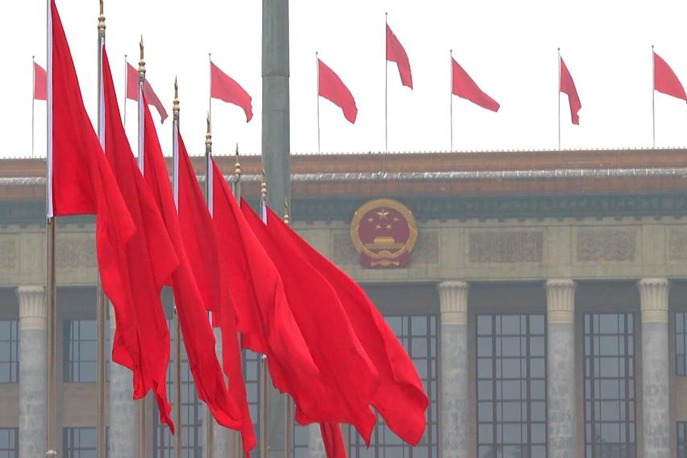
China’s National People’s Congress (NPC) has initiated deliberations on a groundbreaking legislative framework that would formally codify the nation’s development planning processes into law. The draft legislation, presented during the NPC’s annual session, establishes comprehensive legal procedures for the creation, implementation, and oversight of China’s strategic development blueprints.
The proposed law represents the institutionalization of China’s seven-decade experience with five-year planning cycles, transforming established practices into a structured legal format. The legislation outlines meticulous provisions spanning six distinct chapters, covering everything from initial formulation to final evaluation of national development plans.
Significantly, the draft law formalizes the collaborative process between the Communist Party of China Central Committee, which provides policy recommendations; the State Council, responsible for drafting detailed plans; and the NPC, which holds ultimate approval authority. This tripartite mechanism ensures both political direction and legislative oversight in shaping China’s developmental trajectory.
The legislation mandates that national development plans must articulate China’s strategic objectives, governmental priorities, and provide clear guidance for societal stakeholders. Required components include thorough environmental analyses, development guidelines, quantifiable targets, strategic missions, policy measures, and concrete implementation mechanisms.
A notable aspect of the draft law emphasizes public participation in the planning process. This commitment was demonstrated through last year’s month-long digital consultation for the 15th Five-Year Plan, which gathered over 3.11 million public submissions that substantially influenced the final document.
The legislative journey began in April 2025, with the draft undergoing three rigorous review sessions before reaching the current plenary meeting. Upon enactment, this law will establish permanent mechanisms for mid-term and final evaluations of plan implementation, creating a continuous improvement cycle for China’s development strategy.